Jumpcut 2000
Ian Andrews' *Jumpcut* (2000) is a bold six-minute experiment in found footage that strips away conventional storytelling to explore the raw beauty of decay and interruption.
Director: Ian Andrews
Frequently Asked Questions
What is Jumpcut (2000) about?
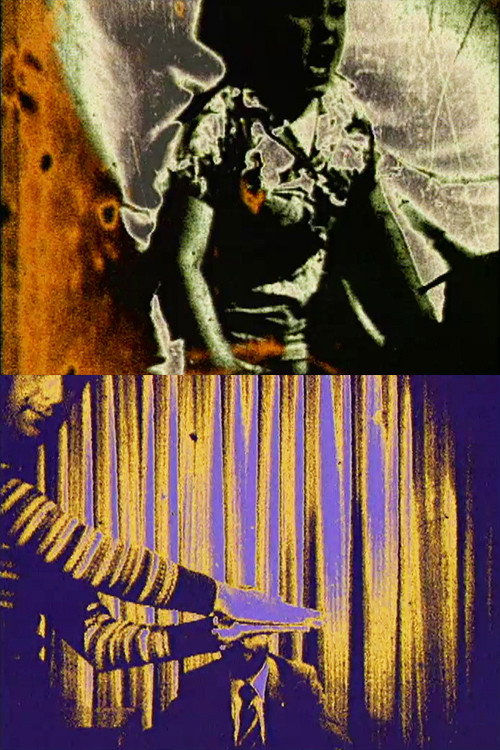
*Jumpcut* (2000) is an experimental short film that reimagines forgotten film fragments—including a distorted child's jump and cut talking-head shots—through the Cox Box process. The result is a hypnotic exploration of time's erosion, where emulsion cracks and reel perforations become the narrative itself.
Who directed Jumpcut?
The film was directed by Ian Andrews, a filmmaker known for pushing the boundaries of found-footage and analog techniques to uncover new layers in old footage.
Who stars in Jumpcut?
While cast details are not publicly listed, the film features two primary visual subjects: a jumping child from a 1950s/60s home movie and a 1970s talking-head performer whose footage has been heavily edited and looped.
Is Jumpcut (2000) worth watching?
*Jumpcut* may not be for everyone due to its abstract nature, but it's a fascinating watch for fans of experimental cinema. Its unique approach to visual storytelling and emphasis on decay make it a standout in short-form filmmaking, even if its runtime is brief.
How long is Jumpcut?
The film has a runtime of 6 minutes.
About Jumpcut (2000) — A Haunting Found-Footage Experiment in Cinematic Decay
Ian Andrews' *Jumpcut* (2000) is a bold six-minute experiment in found footage that strips away conventional storytelling to explore the raw beauty of decay and interruption. Using two distinct sources—a fragmented talking-head shot from a 1970s industrial film and a looping clip of a 1950s/60s child jumping—Andrews transforms them through the Cox Box process, highlighting the physical wear of time. The child's jump, marked by emulsion cracks and reel perforation gaps, becomes a hypnotic meditation on fleeting moments and the scars left by repetition. The film's minimalist approach turns visual imperfection into art, stripping narratives down to their core visual textures.
Part experimental short and part cinematic archaeology, *Jumpcut* challenges viewers to see the unseen—whether it's the ghostly marks on celluloid or the unspoken stories hiding in plain footage. The eerie, almost meditative atmosphere lingers long after the credits roll, leaving audiences to question the line between preservation and destruction. With no dialogue and no clear genre, Andrews crafts a piece that feels both personal and universal, inviting reflection on how time reshapes the images we leave behind. It's a hauntingly simple yet deeply layered glimpse into the hidden narratives of archival footage.
For fans of avant-garde cinema and visual experimentation, *Jumpcut* (2000) offers a concise but unforgettable experience that defies traditional filmmaking norms.