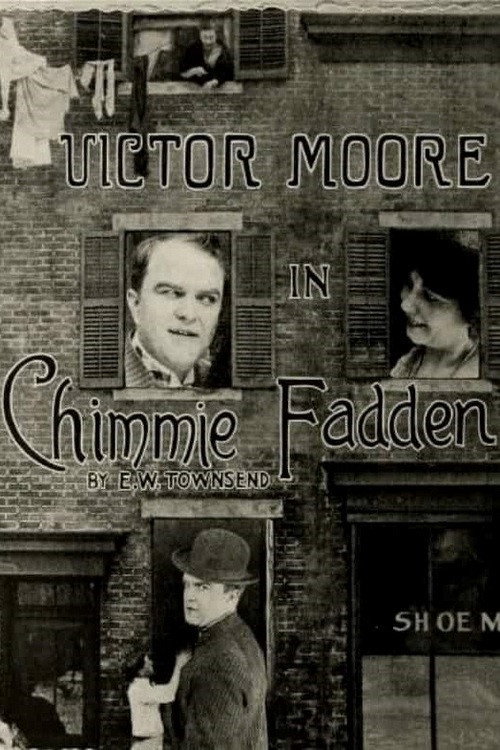
Chimmie Fadden 1915
Victor Moore stars as Chimmie, a lovable but rough-around-the-edges Bowery tough guy in Cecil B. DeMille's 1915 silent comedy, *Chimmie Fadden*.
Director: Cecil B. DeMille
Cast



Frequently Asked Questions
What is Chimmie Fadden (1915) about?
The film follows Chimmie, a working-class New Yorker saved from false charges by a wealthy do-gooder named Fanny. He and his family move into her home as servants, but his brother's greedy schemes threaten to upend their newfound stability. It's a lighthearted tale of class differences and redemption.
Who directed Chimmie Fadden?
Cecil B. DeMille, a pioneer of American cinema, directed *Chimmie Fadden* in 1915.
Who stars in Chimmie Fadden?
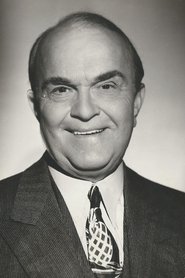
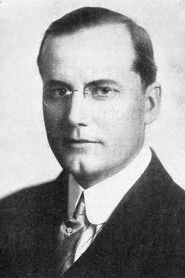
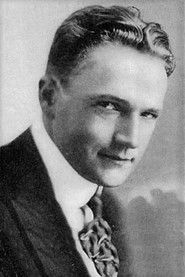
Victor Moore leads the cast as Chimmie, joined by Raymond Hatton, Mrs. Lewis McCord, Ernest Joy, and Anita King in key roles.
Is Chimmie Fadden (1915) worth watching?
As a silent-era comedy, *Chimmie Fadden* isn't a high-stakes drama, but it's a fun, short watch for fans of early cinema and DeMille's work. Its themes of class and redemption add depth to its playful tone.
How long is Chimmie Fadden?
The film runs approximately 40 minutes, making it a quick and digestible classic.
About Chimmie Fadden (1915) — Silent Comedy Classic by Cecil B. DeMille
Victor Moore stars as Chimmie, a lovable but rough-around-the-edges Bowery tough guy in Cecil B. DeMille's 1915 silent comedy, *Chimmie Fadden*. When Chimmie and his family face wrongful arrest, kind-hearted socialite Fanny steps in to offer them a fresh start as household servants. But Chimmie's scheming brother has other plans, attempting to swipe Fanny's silverware while navigating the stark divide between the city's gritty underbelly and its refined high society.
DeMille's early work brims with the energy of pre-war America, blending gentle humor with sharp social commentary. The film's humor hinges on class clashes and the contrast between Chimmie's street-smart antics and Fanny's genteel world. With its playful tone and snapshot of 1915 New York, *Chimmie Fadden (1915)* remains a charming relic of silent cinema, offering a glimpse into the era's evolving attitudes toward class and redemption.