Flight 2000
Flight (2000) is a compelling documentary that traces the harrowing journey of Jewish painter Leopold Mayer, who fled Frankfurt to escape Nazi persecution.
Director: Peter Nestler
Cast
Frequently Asked Questions
What is Flight (2000) about?
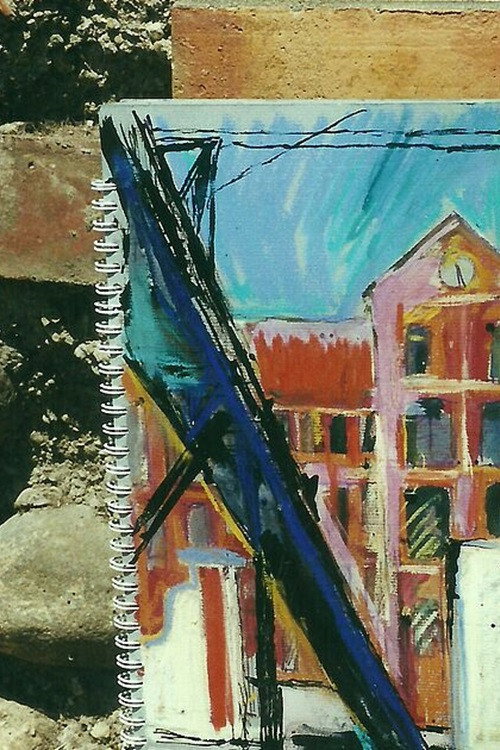
Flight (2000) follows Jewish painter Leopold Mayer, who escaped Nazi Germany and later settled in France under the name Leo Maillet. As World War II engulfed Paris, he was forced into hiding, using his art to document his perilous journey. The film examines Maillet's survival through his evocative paintings and personal recollections.
Who directed Flight?
Flight was directed by Peter Nestler, a filmmaker known for his documentary work that often explores historical and social themes through personal narratives.
Who stars in Flight?
The documentary centers on the life of Leopold Mayer (Leo Maillet), with his son Daniel Maillet appearing alongside director Peter Nestler in the film.
Is Flight (2000) worth watching?
While Flight (2000) isn't a mainstream narrative film, its historical and artistic significance makes it a compelling watch for fans of documentary cinema. The film's intimate portrayal of resilience and memory offers a moving experience, even if its niche focus may limit broader appeal.
How long is Flight?
Flight (2000) has a runtime of 87 minutes.
About Flight (2000) — A haunting documentary on exile and artistry
Flight (2000) is a compelling documentary that traces the harrowing journey of Jewish painter Leopold Mayer, who fled Frankfurt to escape Nazi persecution. Rechristening himself as Leo Maillet, he found temporary refuge in France before Germany's invasion forced him into hiding once more. Peter Nestler's film weaves Maillet's haunting "Entre chien et loup" painting series into a narrative of survival, using these artworks as a visual diary of exile and resilience. Though the Gestapo and French police relentlessly pursued him, Maillet's story becomes a testament to the power of art as both witness and escape.
Directed by Peter Nestler, the film is a poignant exploration of displacement and memory, blending archival research with personal reflections. Accompanied by Maillet's son, Daniel, Nestler retraces the artist's footsteps to the very places where he sought shelter. The result is a deeply atmospheric meditation on loss, identity, and the enduring human spirit in the face of unimaginable fear.