Control Sequences 2001
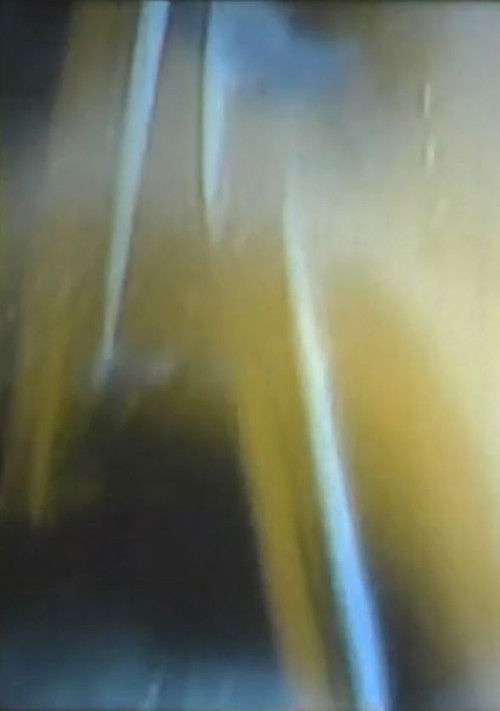
In Glen Fogel's experimental short film *Control Sequences* (2001), Super 8 footage of a man encased in cellophane beneath water is transformed into a haunting sensory experience.
Director: Glen Fogel
Frequently Asked Questions
What is Control Sequences (2001) about?
*Control Sequences* presents a surreal, immersive experience centered on a man trapped beneath water, enclosed in cellophane. The film uses layered projections and a punishing soundtrack to evoke themes of suffocation and despair, blurring the boundaries between abstraction and visceral emotion.
Who directed Control Sequences?
Glen Fogel directed *Control Sequences* (2001), delivering an avant-garde film that pushes the limits of experimental cinema.
Who stars in Control Sequences?
Cast details for *Control Sequences* (2001) are not publicly listed.
Is Control Sequences (2001) worth watching?
While *Control Sequences* (2001) is a niche experimental short, its bold visual and auditory techniques make it a compelling watch for fans of avant-garde film. Its brevity and intensity may not appeal to all viewers, but it leaves a strong impression.
How long is Control Sequences?
*Control Sequences* (2001) has a runtime of 6 minutes.
About Control Sequences (2001) — Glen Fogel's haunting experimental short film dissected
In Glen Fogel's experimental short film *Control Sequences* (2001), Super 8 footage of a man encased in cellophane beneath water is transformed into a haunting sensory experience. The film unfolds as two simultaneous projections—a video and a 16mm print—layered over each other with colored gels, creating a disorienting 3D effect. The immersive visuals, paired with a visceral soundtrack of strained breathing, plunge viewers into a suffocating atmosphere of desperation and existential dread. This avant-garde piece blurs the line between abstraction and narrative, leaving audiences to grapple with its unsettling imagery and thematic depth.
*Control Sequences* experiments with perception and immediacy, stripping cinema down to its most primal elements. The blurred, overlapping projections mirror the struggle for breath depicted on screen, while the distorted sound design amplifies the sense of claustrophobia. Fogel's radical approach challenges conventional storytelling, making this a standout work in experimental filmmaking that lingers in the mind long after the six-minute runtime.