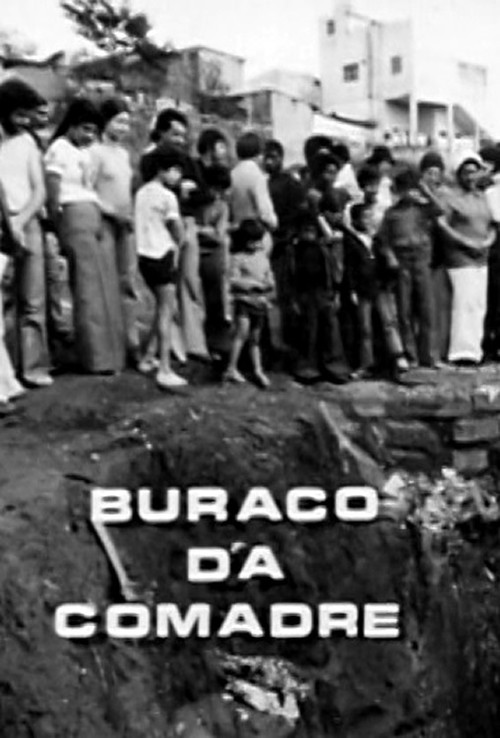
Buraco da Comadre 1975
Dive into the raw, unfiltered reality of São Paulo's urban struggles with *Buraco da Comadre (1975)*, João Batista de Andrade's gripping documentary short.
Director: João Batista de Andrade
Frequently Asked Questions
What is Buraco da Comadre (1975) about?
*Buraco da Comadre* is a documentary short that exposes the daily challenges faced by residents of a poor São Paulo neighborhood. The film centers on a large, unaddressed sinkhole that disrupts their lives, serving as a metaphor for government neglect and systemic indifference.
Who directed Buraco da Comadre?
Buraco da Comadre was directed by João Batista de Andrade, a filmmaker known for his socially conscious documentaries.
Who stars in Buraco da Comadre?
Cast details for *Buraco da Comadre* are not listed, but the film focuses on real-life residents of the São Paulo neighborhood affected by the sinkhole.
Is Buraco da Comadre (1975) worth watching?
Despite its short runtime, *Buraco da Comadre* offers a powerful snapshot of 1970s Brazilian social issues. While IMDb doesn't rate it, its documentary style and themes of resilience make it a compelling watch for fans of raw, politically charged cinema.
How long is Buraco da Comadre?
*Buraco da Comadre* runs for 9 minutes.
Buraco da Comadre (1975): A 9-Minute Documentary on São Paulo's Urban Struggles — Full Movie Info
Dive into the raw, unfiltered reality of São Paulo's urban struggles with *Buraco da Comadre (1975)*, João Batista de Andrade's gripping documentary short. Set in a working-class neighborhood, the film shines a light on the daily hardships faced by residents due to a gaping sinkhole the government ignores—a stark symbol of neglect and bureaucratic indifference. With a runtime of just 9 minutes, this short documentary packs a punch, capturing the resilience and frustration of a community left to fend for itself. The atmosphere is tense, the themes urgent, as Andrade uses the hole in the ground to mirror deeper societal fractures in 1970s Brazil.
*Buraco da Comadre (1975)* isn't just about a physical void; it's a commentary on systemic failure and the human cost of political inaction. The film's documentary style immerses viewers in the lives of those most affected, blending stark realism with a quiet call for change. Whether you're a fan of social cinema or curious about Brazil's historical struggles, this short film offers a compelling, thought-provoking snapshot of a moment in time.