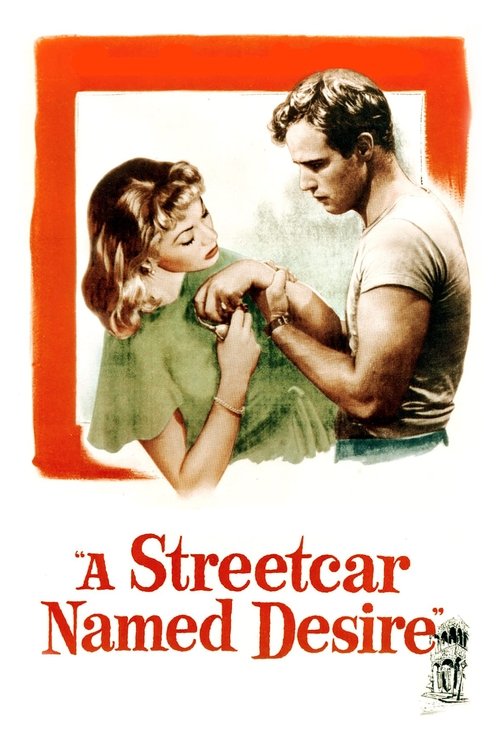
A Streetcar Named Desire 1951
"...Blanche, who wanted so much to stay a lady..."
Elia Kazan's stark adaptation of Tennessee Williams' masterpiece, *A Streetcar Named Desire (1951)*, plunges viewers into the sultry, claustrophobic world of New Orleans as Blanche DuBois, a fragile Southern belle, seeks refuge with her sister Stella...
Director: Elia Kazan
Cast

Vivien Leigh
Blanche DuBois
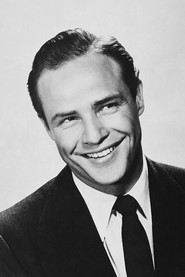
Marlon Brando
Stanley Kowalski

Kim Hunter
Stella Kowalski
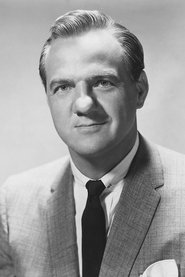
Karl Malden
Harold Mitchell

Rudy Bond
Steve
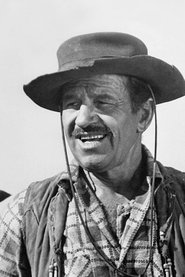
Nick Dennis
Pablo Gonzales
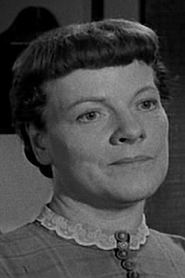
Peg Hillias
Eunice
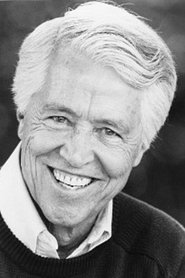
Wright King
A Collector

Richard Garrick
A Doctor
Ann Dere
The Matron
Frequently Asked Questions
What is A Streetcar Named Desire (1951) about?
The film follows Blanche DuBois, a fading Southern aristocrat, as she clings to fading gentility while staying with her sister Stella in a bustling New Orleans apartment. Her fragile world unravels under the strain of her delusions and the brutish presence of her brother-in-law, Stanley Kowalski.
Who directed A Streetcar Named Desire?
Elia Kazan directed *A Streetcar Named Desire*. Known for his bold visual style and uncompromising storytelling, Kazan brought Tennessee Williams' stage play to life with electrifying intensity.
Who stars in A Streetcar Named Desire?
The film stars Vivien Leigh as Blanche DuBois, Marlon Brando as Stanley Kowalski, Kim Hunter as Stella, and Karl Malden as Mitch.
Is A Streetcar Named Desire (1951) worth watching?
Absolutely—this cinematic landmark is a must-watch for fans of intense drama and unforgettable performances. Its exploration of human fragility and societal tension, coupled with Brando's iconic acting, makes it a timeless classic that still resonates today.
How long is A Streetcar Named Desire?
The movie runs for 125 minutes.
🎥 Trailer
About A Streetcar Named Desire (1951) — The Raw Power and Tragedy of Williams' Iconic Drama
Elia Kazan's stark adaptation of Tennessee Williams' masterpiece, *A Streetcar Named Desire (1951)*, plunges viewers into the sultry, claustrophobic world of New Orleans as Blanche DuBois, a fragile Southern belle, seeks refuge with her sister Stella and her volatile brother-in-law, Stanley Kowalski. Marlon Brando's raw, commanding performance as Stanley ignites a collision of worlds—refinement against primal instinct—while Vivien Leigh's tragic portrayal of Blanche exposes the fragility of illusion in the face of harsh reality. The film's unflinching exploration of desire, madness, and the crumbling of genteel pretenses is heightened by Kazan's gritty direction and the palpable tension between its unforgettable characters.
Set against the backdrop of a seedy apartment where sweat and secrets fester, *A Streetcar Named Desire (1951)* remains a cornerstone of 20th-century cinema, blending psychological depth with explosive drama. Themes of illusion versus reality, the cost of survival, and the suffocating weight of societal expectations weave through every scene, culminating in a finale as devastating as it is inevitable. With its thunderous score and electric performances, this is far more than a classic—it's a visceral experience that lingers long after the final frame fades.