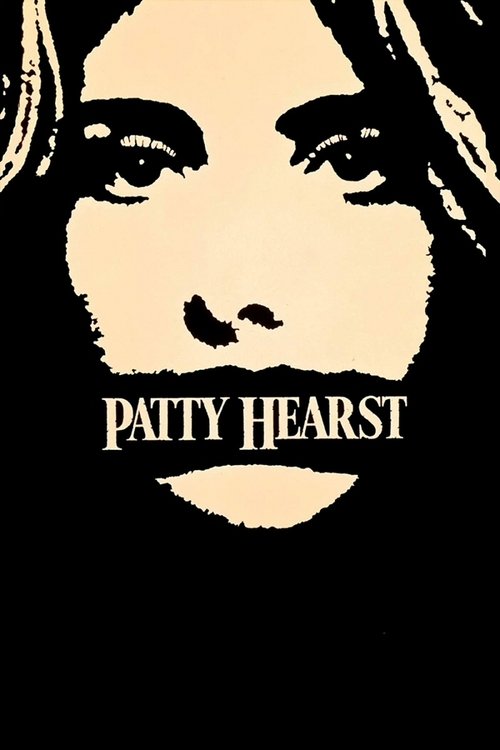
Patty Hearst 1988
"Heiress. Victim. Terrorist."
Paul Schrader's gripping 1988 drama *Patty Hearst* plunges into one of America's most unsettling true stories, following the heiress who became a symbol of radical transformation.
Director: Paul Schrader
Cast

Natasha Richardson
Patricia Hearst

William Forsythe
Teko
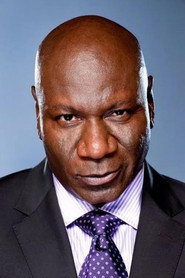
Ving Rhames
Cinque

Frances Fisher
Yolanda

Olivia Barash
Fahizah

Dana Delany
Gelina
Marek Johnson
Zoya

Kitty Swink
Gabi

Jodi Long
Wendy Yoshimura

Peter Kowanko
Cujo
Frequently Asked Questions
What is Patty Hearst (1988) about?
This drama tells the unsettling true story of a wealthy young heiress kidnapped in the 1970s by a radical group. Her time with the captors challenges her beliefs, leading to a controversial shift in loyalty that stunned the nation. The film dives deep into identity, power, and the blurred line between victim and participant.
Who directed Patty Hearst?
Paul Schrader, known for his bold and atmospheric dramas like *Taxi Driver* and *American Gigolo*, directed *Patty Hearst* (1988).
Who stars in Patty Hearst?
The film features Natasha Richardson in the title role, supported by William Forsythe, Ving Rhames, Frances Fisher, and Dana Delany.
Is Patty Hearst (1988) worth watching?
With a runtime of 108 minutes and a blend of psychological drama and historical intrigue, *Patty Hearst* offers a thought-provoking watch for fans of intense character studies. Richardson's performance and Schrader's direction make it a standout of 1980s cinema, though its morally complex themes may not appeal to all audiences.
How long is Patty Hearst?
The film runs for 108 minutes.
🎥 Trailer
About Patty Hearst (1988) — Natasha Richardson in a shocking true-story drama by Paul Schrader
Paul Schrader's gripping 1988 drama *Patty Hearst* plunges into one of America's most unsettling true stories, following the heiress who became a symbol of radical transformation. Natasha Richardson stars as the young socialite whose 1974 kidnapping by the Symbionese Liberation Army unravels her privileged world, forcing her to confront power, identity, and ideology. As the lines blur between victim and participant, the film explores the volatile intersection of class, politics, and personal awakening. Schrader crafts an atmosphere thick with tension, moral ambiguity, and psychological intensity, turning Patty's journey into a haunting reflection on conviction and conversion.
Richardson's performance anchors a stellar cast, including William Forsythe and Ving Rhames, while the drama lingers on the era's revolutionary fervor and its lasting scars. With its unflinching portrayal of allegiance and estrangement, *Patty Hearst (1988)* remains a compelling exploration of how ideology can reshape a life—and a nation.