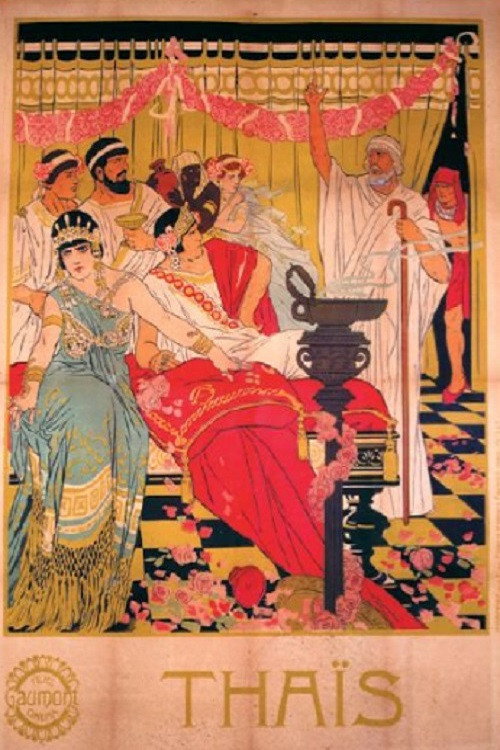
Thaïs 1911
Thaïs (1911) represents an early example of French dramatic cinema from the pioneering era of filmmaking. Directed by the renowned Louis Feuillade, this 12-minute silent drama showcases the theatrical traditions that influenced early cinema.
Director: Louis Feuillade
Cast
Frequently Asked Questions
What is Thaïs (1911) about?
Thaïs (1911) is a dramatic short film that explores human emotions and relationships through the storytelling traditions of early 20th century French cinema, focusing on character-driven narrative within its brief runtime.
Who directed Thaïs?
Louis Feuillade directed Thaïs (1911). He was a prominent French filmmaker known for his innovative contributions to early cinema and serial films.
Who stars in Thaïs?
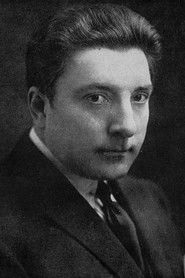
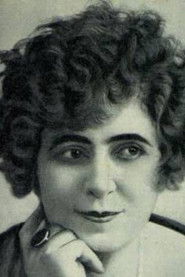
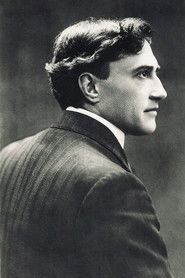
The main cast of Thaïs includes Luitz-Morat, Renée Carl, and Georges Wague, all accomplished actors of the early French film industry.
Is Thaïs (1911) worth watching?
Thaïs (1911) offers historical value for film enthusiasts interested in silent cinema and Louis Feuillade's work. While unrated on IMDb, its significance lies in representing early dramatic filmmaking techniques from the 1910s era.
How long is Thaïs?
Thaïs runs for 12 minutes, typical of short dramatic films from the early silent period.
About Thaïs (1911) — Early French Drama Film Analysis
Thaïs (1911) represents an early example of French dramatic cinema from the pioneering era of filmmaking. Directed by the renowned Louis Feuillade, this 12-minute silent drama showcases the theatrical traditions that influenced early cinema. The film features performances from Luitz-Morat, Renée Carl, and Georges Wague, actors who brought stage-trained intensity to the nascent medium of motion pictures.
As a drama from 1911, Thaïs captures the artistic sensibilities of pre-war France, offering viewers a glimpse into the storytelling techniques that would shape narrative cinema. The short runtime reflects the era's preference for concise, impactful storytelling. Though unrated on IMDb, the film holds historical significance as part of Feuillade's extensive filmography, which includes many influential works from the silent period.