Views From a Car 1990
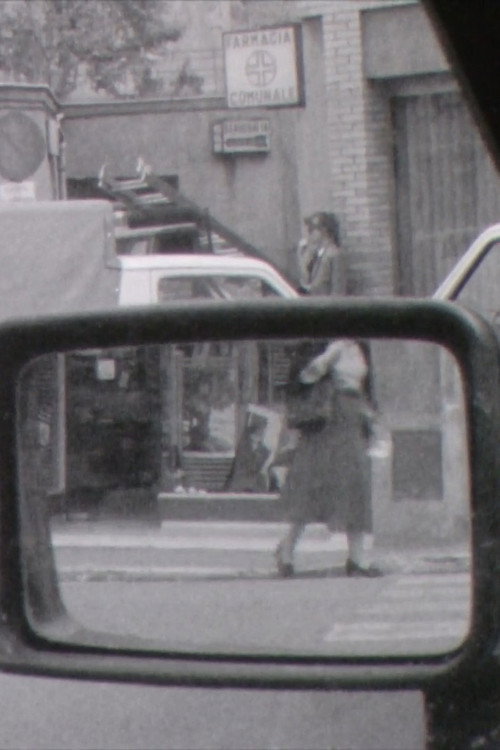
Views From a Car (1990) is a fleeting yet mesmerizing microcinema experiment from director Milena Gierke, captured entirely from the confines of a stationary vehicle.
Director: Milena Gierke
Frequently Asked Questions
What is Views From a Car (1990) about?
This experimental short film offers a voyeuristic glimpse into the world outside a parked car, capturing fleeting moments of urban life as passersby come and go. It's less about plot and more about the unspoken exchange between observer and observed in a shared public space.
Who directed Views From a Car?
Milena Gierke directed the film, bringing a unique perspective to this minimalist cinematic experiment.
Who stars in Views From a Car?
The cast is not officially listed, as the film focuses on anonymous passersby rather than named actors.
Is Views From a Car (1990) worth watching?
While it's a very short film, Views From a Car (1990) offers a refreshing departure from mainstream cinema. Its experimental nature and thought-provoking themes make it a fascinating watch for fans of avant-garde or observational filmmaking.
How long is Views From a Car?
The runtime for Views From a Car is approximately 2 minutes.
About Views From a Car (1990): A 2-Minute Urban Odyssey in Stillness
Views From a Car (1990) is a fleeting yet mesmerizing microcinema experiment from director Milena Gierke, captured entirely from the confines of a stationary vehicle. The film strips away narrative fluff to present a raw, observational slice of life, where passersby become unwitting participants in an intimate urban ballet. Through the lens, Gierke explores themes of voyeurism and perspective, turning everyday moments into a quietly profound meditation on observation itself. The two-minute runtime may be brief, but its impact lingers like a snapshot frozen in time, inviting viewers to question who is really watching whom in this modern age of surveillance and screens.
This avant-garde piece thrives on atmosphere, blending the mundane with the mystical as the world moves around the parked car. The absence of dialogue or conventional storytelling heightens the sensory experience, leaving space for audiences to project their own stories onto the fleeting faces and fleeting moments. Gierke's bold directorial choice transforms a seemingly simple setup into a compelling commentary on perception, presence, and the hidden poetry of overlooked urban spaces.