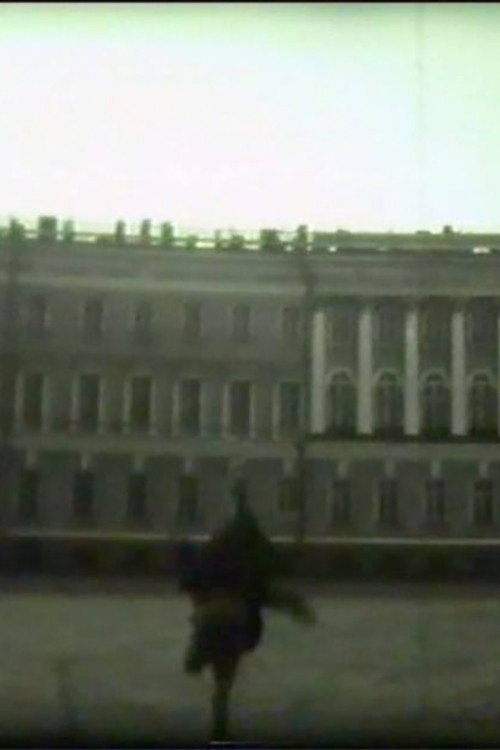
The End of St. Petersburg, or New Icarus 1992
In 1992—a pivotal year of Perestroika—Eduard Shelganov crafts *The End of St. Petersburg, or New Icarus*, a poetic six-minute cinematic reflection blending myth and personal introspection. Inspired by Vsevolod Pudovkin's silent-era masterpiece *The End of St.
Director: Eduard Shelganov
Cast

Frequently Asked Questions
What is *The End of St. Petersburg, or New Icarus* (1992) about?
This six-minute avant-garde film reinterprets the myth of Icarus during the Perestroika era, portraying a modern soul torn apart by endless temptations and the overwhelming pace of change. It's a surreal self-portrait that merges personal identity with historical rupture.
Who directed *The End of St. Petersburg, or New Icarus*?
Eduard Shelganov directed this experimental short film, channeling his artistic vision through both narrative and visual symbolism.
Who stars in *The End of St. Petersburg, or New Icarus*?
The film features Eduard Shelganov in the central role, delivering a performance that anchors this poetic cinematic experiment.
Is *The End of St. Petersburg, or New Icarus* (1992) worth watching?
At just six minutes long, it's a niche but evocative watch for fans of avant-garde cinema and mythic storytelling. While unrated and lacking mainstream recognition, its ambition and atmospheric style make it a memorable curio for those exploring Russian experimental film.
How long is *The End of St. Petersburg, or New Icarus*?
The film runs for 6 minutes.
About The End of St. Petersburg, or New Icarus (1992) — A mythic six-minute meditation on ambition and collapse
In 1992—a pivotal year of Perestroika—Eduard Shelganov crafts *The End of St. Petersburg, or New Icarus*, a poetic six-minute cinematic reflection blending myth and personal introspection. Inspired by Vsevolod Pudovkin's silent-era masterpiece *The End of St. Petersburg* (1927), Shelganov reimagines the story through the tragic figure of Icarus, symbolizing humanity's struggle against overwhelming temptation and the disintegration of idealism in a rapidly changing world. The film unfolds as a romantic performance-self-portrait, where classical Greek allegory collides with contemporary chaos, creating an atmospheric meditation on ambition, downfall, and the illusions of progress.
Shot amidst the cultural upheaval of post-Soviet Russia, this short film transforms historical tumult into a visual poem. Shelganov's direction leans into surreal imagery and emotional rawness, evoking themes of fragmentation and rebirth. The result is a haunting, fleeting experience that lingers like a half-remembered dream—less about narrative and more about mood, inviting viewers to ponder what it means to fall, rise, and ultimately, to soar before crashing back to earth.