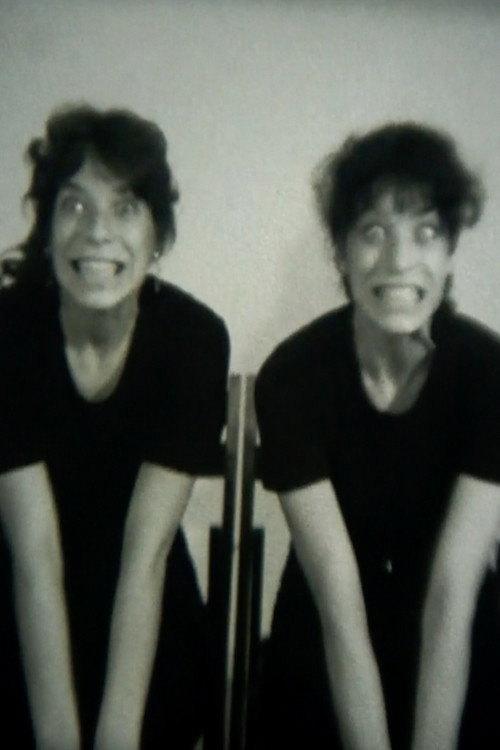
Relative Similarities 1979
In Izabella Gustowska's experimental short film *Relative Similarities (1979)*, the camera becomes an intimate observer of three pairs of identical twins as they navigate life's subtle shifts over time.
Director: Izabella Gustowska
Frequently Asked Questions
What is Relative Similarities (1979) about?
*Relative Similarities (1979)* follows three sets of female twins as they grow and change over time, with the camera documenting how their similarities and differences unfold. The focus isn't on drama but on quiet moments of reflection and subtle transformation.
Who directed Relative Similarities?
*Relative Similarities* was directed by Izabella Gustowska, a filmmaker known for her experimental and poetic visual style.
Who stars in Relative Similarities?
The cast includes three pairs of female twins, though their names are not listed in available records.
Is Relative Similarities (1979) worth watching?
As a five-minute experimental short, *Relative Similarities (1979)* offers a unique and thought-provoking experience for fans of visual storytelling. Its themes of identity and duality are explored with subtlety, though its niche appeal may limit broader interest.
How long is Relative Similarities?
The film runs for 5 minutes.
About Relative Similarities (1979) — A Short Film on Identity and Duality
In Izabella Gustowska's experimental short film *Relative Similarities (1979)*, the camera becomes an intimate observer of three pairs of identical twins as they navigate life's subtle shifts over time. Through carefully composed frames and patient observation, the film captures the delicate interplay between shared genetics and individual evolution, revealing how even the closest siblings can drift apart—or converge—in unexpected ways. The black-and-white visuals lend a timeless quality to the project, emphasizing the universal themes of identity, connection, and the passage of time.
At just five minutes long, *Relative Similarities (1979)* is a concise yet evocative exploration of duality, framed in a way that feels both poetic and grounded. Gustowska's approach transforms a simple premise into a meditative experience, inviting viewers to question the boundaries between sameness and difference. The absence of dialogue allows the visual storytelling to take center stage, creating an atmosphere that lingers long after the credits roll.