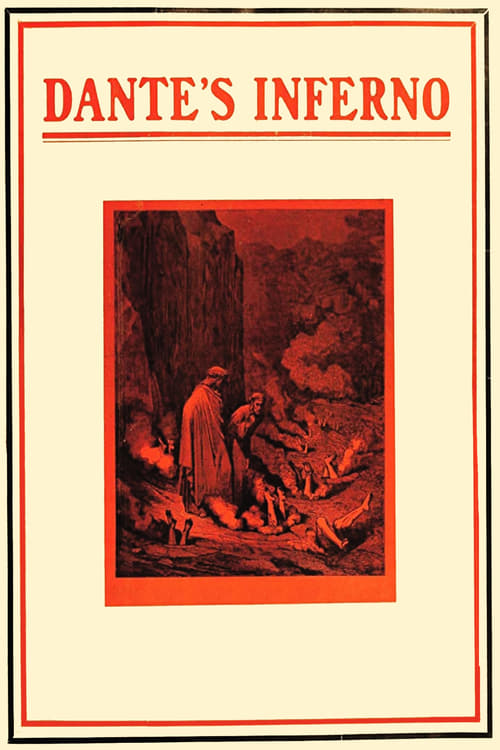
Dante's Inferno 1911
"Abandon all hope, ye who enter here."
Step into the shadowy corridors of Dante's Inferno (1911), a breathtaking leap into cinema history as Giuseppe de Liguoro crafts the very first Italian feature film and the world's oldest surviving cinematic epic.
Director: Giuseppe de Liguoro
Cast

Frequently Asked Questions
What is Dante's Inferno (1911) about?
Dante's Inferno (1911) follows the legendary poet through a harrowing journey across the nine circles of Hell, each reflecting the sins of humanity. Guided by the enigmatic Virgil, Dante confronts grotesque visions of damnation, punishment, and moral reckoning in this silent-era vision of divine justice.
Who directed Dante's Inferno?
Dante's Inferno (1911) was directed by Giuseppe de Liguoro, a pioneer of Italian cinema whose ambitious adaptation brought Dante's epic to the silent screen with striking visual storytelling.
Who stars in Dante's Inferno?
The film features Salvatore Papa, Arturo Pirovano, Giuseppe de Liguoro, Augusto Milla, and Attilio Motta in pivotal roles.
Is Dante's Inferno (1911) worth watching?
As the world's oldest surviving feature film, Dante's Inferno (1911) is a must-watch for silent cinema lovers and history buffs. Though light on dialogue, its striking visuals and faithful homage to Dante's vision make it a compelling watch for fans of early fantasy and horror.
How long is Dante's Inferno?
Dante's Inferno (1911) runs for 72 minutes.
🎥 Trailer
Dante's Inferno (1911): First Feature Film of Italy — Full Movie Info
Step into the shadowy corridors of Dante's Inferno (1911), a breathtaking leap into cinema history as Giuseppe de Liguoro crafts the very first Italian feature film and the world's oldest surviving cinematic epic. Drawing from Dante Alighieri's timeless Divine Comedy and the haunting engravings of Gustave Doré, this silent-era fantasy horror masterpiece plunges audiences into a nightmarish descent through the nine circles of hell. With lavish sets and pioneering special effects, each frame pulses with gothic atmosphere and existential dread, making it a visual symphony of torment and spectacle.
A landmark of silent cinema, Dante's Inferno (1911) remains a mesmerizing blend of artistic ambition and cinematic innovation. Its stark morality tale—where human folly meets divine justice—lingers long after the final frame fades. Though stripped of dialogue, the film's dramatic intensity and symbolic power transcend time, offering a chilling experience for fans of early fantasy and horror alike.