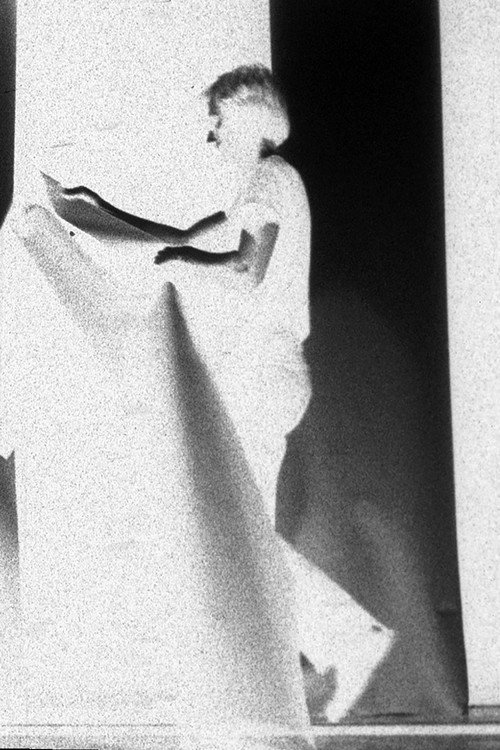
Overlapping Planes 1975
David Haxton's *Overlapping Planes* (1975) is a hypnotic eight-minute short film that blends experimental art with the raw precision of physical manipulation.
Director: David Haxton
Frequently Asked Questions
What is Overlapping Planes (1975) about?
*Overlapping Planes* is an experimental short film that explores the deconstruction of visual perception through precise, physical cuts to a white paper surface. Beginning as a blank canvas, the film gradually reveals its hidden layers through Haxton's incisions, creating a dance of light and shadow that feels both mechanical and meditative.
Who directed Overlapping Planes?
David Haxton directed *Overlapping Planes* in 1975, showcasing his skill in experimental filmmaking with a focus on tactile and visual innovation.
Who stars in Overlapping Planes?
Cast details for *Overlapping Planes* are not listed, as the film focuses on the director's hands and the paper medium rather than traditional performers.
Is Overlapping Planes (1975) worth watching?
*Overlapping Planes* is a fascinating entry for fans of avant-garde cinema and experimental art. Its minimalist approach and striking visuals make it a memorable short, though its abstract nature may not appeal to everyone. With a runtime of just eight minutes, it's an easy film to explore for those curious about the boundaries of the medium.
How long is Overlapping Planes?
*Overlapping Planes* has a runtime of 8 minutes.
About Overlapping Planes (1975) — Inside David Haxton's hypnotic 8-minute experimental masterpiece
David Haxton's *Overlapping Planes* (1975) is a hypnotic eight-minute short film that blends experimental art with the raw precision of physical manipulation. Shot entirely in negative, the visuals begin with a stark white frame—innocent yet enigmatic—before a dark line emerges at the top, slicing downward as if the very surface of reality is being peeled away. Haxton's methodical incisions, performed behind a sheet of white paper, reveal a hidden choreography of absence and presence, where negative space becomes the star. The film's minimalist aesthetic and tactile approach to filmmaking invite viewers to ponder the boundaries between creation and destruction, light and shadow, all while maintaining an eerie, almost ritualistic pace.
This avant-garde piece stands as a testament to the power of simplicity in experimental cinema. By alternating between cuts and removals, Haxton crafts a visual rhythm that feels both mechanical and organic, leaving the audience to interpret the layers of meaning embedded in each deliberate movement. The interplay of white and black, presence and absence, creates an atmosphere that is at once clinical and poetic, challenging conventional storytelling to instead evoke emotion through pure form and contrast.