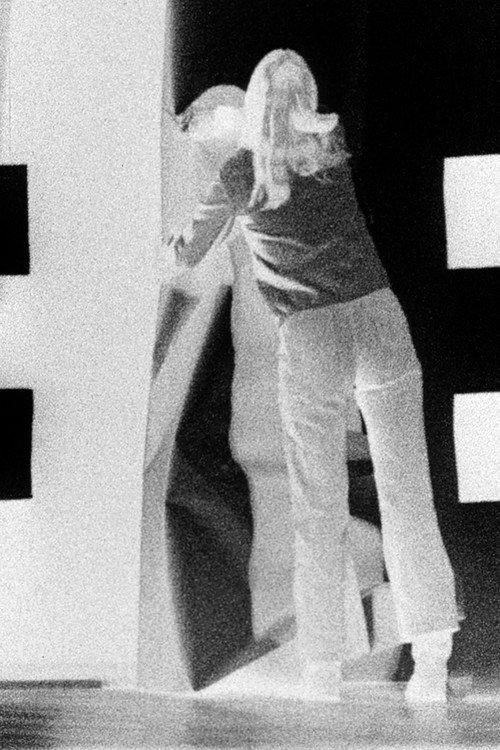
Cutting Light and Dark Holes 1975
David Haxton's experimental short film *Cutting Light and Dark Holes (1975)* is a mesmerizing exploration of cinematic perception, where the flatness of the film screen collides with the illusion of depth.
Director: David Haxton
Frequently Asked Questions
What is Cutting Light and Dark Holes (1975) about?
*Cutting Light and Dark Holes* is a short experimental film that manipulates light and shadow to create a visual puzzle. Beginning with a black sheet of paper covering the frame, the film's creator cuts geometric openings that reveal glimpses of brightness, then peels back the paper to expose deeper layers of darkness. The interplay between these elements invites viewers to question the nature of cinematic space and perception.
Who directed Cutting Light and Dark Holes?
The film was directed by David Haxton, an avant-garde filmmaker known for pushing the boundaries of visual storytelling through experimental techniques.
Who stars in Cutting Light and Dark Holes?
Cast details for *Cutting Light and Dark Holes (1975)* are not publicly listed.
Is Cutting Light and Dark Holes (1975) worth watching?
As an unrated experimental short, *Cutting Light and Dark Holes* may not appeal to mainstream audiences, but it offers a fascinating glimpse into the creative possibilities of film. Its minimalist approach and bold use of negative imagery make it a compelling watch for fans of avant-garde cinema seeking something truly unique.
How long is Cutting Light and Dark Holes?
The runtime for *Cutting Light and Dark Holes (1975)* is 8 minutes.
About Cutting Light and Dark Holes (1975) — A Bold Experiment in Negative Film Space
David Haxton's experimental short film *Cutting Light and Dark Holes (1975)* is a mesmerizing exploration of cinematic perception, where the flatness of the film screen collides with the illusion of depth. Crafted entirely in negative, the film opens with a stark black sheet of paper filling the frame, its void-like surface soon disrupted as Haxton slices four rectangular openings—two on the left, two on the right—revealing bursts of white light. The tension between absence and presence unfolds further as the black paper is methodically rolled away, exposing a hidden layer of darkness beneath, transforming the frame into a play of contrasts. This meditative visual experiment challenges viewers to reconsider the boundaries between light, shadow, and the spaces in between.
Capturing the essence of avant-garde filmmaking, *Cutting Light and Dark Holes* blends minimalism with bold abstraction, inviting audiences to experience cinema as a tactile and cerebral journey. The film's rhythmic precision and stark monochrome palette create an atmosphere of quiet intensity, making it a standout work in experimental cinema.