An Expression 1985
Dive into *An Expression (1985)*, a groundbreaking nine-minute experimental short by visionary director Naoko Tosa that transforms human emotion into sound.
Director: Naoko Tosa
Frequently Asked Questions
What is An Expression (1985) about?
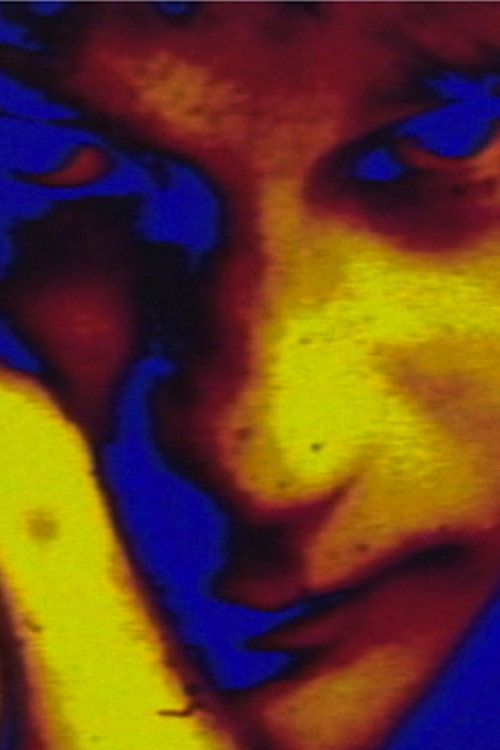
*An Expression* explores the intersection of visual and auditory art by translating facial expressions into music. Using a photodetector to measure image brightness, the film samples human emotions in real time, creating a dynamic soundscape from subtle changes in expression. It's a fleeting yet profound experiment in digital artistry.
Who directed An Expression?
An Expression was directed by Naoko Tosa, a pioneering figure in digital art and experimental filmmaking whose work often blends technology with human emotion.
Who stars in An Expression?
Cast details for An Expression are not publicly listed.
Is An Expression (1985) worth watching?
While not a mainstream release, *An Expression* is a fascinating time capsule of 1980s experimental cinema. Its innovative approach to blending visual and audio art makes it compelling for niche audiences, even if it's more of a conceptual piece than a narrative-driven film.
How long is An Expression?
An Expression has a runtime of 9 minutes.
About An Expression (1985) — How a 9-Minute Short Revolutionized Experimental Film
Dive into *An Expression (1985)*, a groundbreaking nine-minute experimental short by visionary director Naoko Tosa that transforms human emotion into sound. Using a photodetector to measure image brightness, the film captures fleeting facial expressions and converts them into dynamic, sampled music in real time. The result is a mesmerizing interplay between visual and auditory artistry, where subtle shifts in mood create an ever-evolving soundscape. Set against the backdrop of 1980s avant-garde experimentation, this piece blends technology with raw human feeling, offering a unique meditation on the connection between what we see and how we hear.
*An Expression (1985)* stands as a testament to the power of early digital art, pushing the boundaries of what film—and cinema itself—could express. By automating the sampling process, Tosa crafts a sensory experience that feels both clinical and deeply personal, inviting viewers to reconsider the relationship between perception and emotion. With its minimalist runtime and maximalist ambition, this short film remains a cult curiosity for fans of experimental cinema and technology-driven storytelling alike.