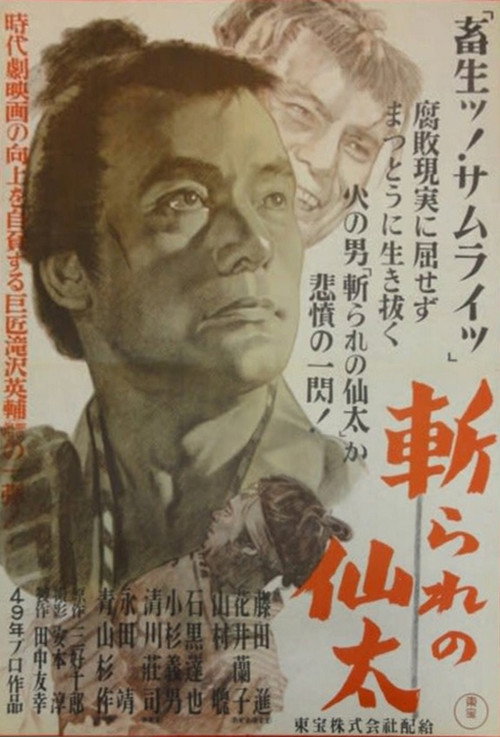
Kirare no Senta 1949
In the post-war landscape of 1949 Japan, "Kirare no Senta" unfolds as a poignant drama steeped in historical reflection. Directed by Eisuke Takizawa, this forgotten gem follows the struggles of ordinary individuals navigating a society still healing from conflict.
Director: Eisuke Takizawa
Cast
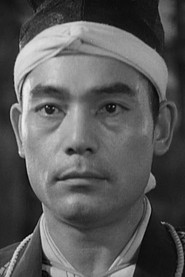
Susumu Fujita
Sugisaku Aoyama
Senta
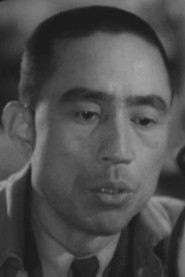
Sōji Kiyokawa
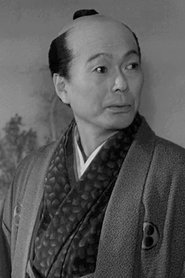
Tatsuya Ishiguro
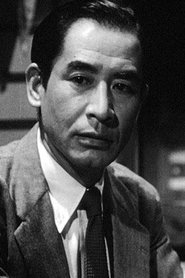
So Yamamura
Kenji Asada
Fumio Ōmachi
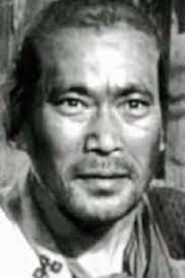
Yoshio Kosugi
Fujio Nagahama
Fusatarō Ishijima
Frequently Asked Questions
What is Kirare no Senta (1949) about?
This 1949 drama delves into the lives of ordinary Japanese citizens rebuilding their world after war. Through intimate storytelling, it captures the quiet struggles and small triumphs of people searching for meaning amid societal upheaval.
Who directed Kirare no Senta?
Eisuke Takizawa directed this historical drama, though details about his broader filmography remain scarce.
Who stars in Kirare no Senta?
The film features a powerhouse cast including Susumu Fujita, Sugisaku Aoyama, So Yamamura, Kenji Asada, and Tatsuya Ishiguro.
Is Kirare no Senta (1949) worth watching?
While unrated, its historical significance and emotional storytelling make it a rewarding experience for fans of classic post-war dramas. The film's brevity and focus on human resilience give it a quiet power worth seeking out.
How long is Kirare no Senta?
The film runs for 95 minutes.
About Kirare no Senta (1949) — Post-War Drama with Emotional Depth
In the post-war landscape of 1949 Japan, "Kirare no Senta" unfolds as a poignant drama steeped in historical reflection. Directed by Eisuke Takizawa, this forgotten gem follows the struggles of ordinary individuals navigating a society still healing from conflict. With a runtime of just 95 minutes, the film balances raw emotion with a quiet determination, highlighting themes of resilience and human dignity. Susumu Fujita leads a talented ensemble cast, including Sugisaku Aoyama and So Yamamura, whose performances breathe life into this understated period piece.
The atmosphere is one of quiet intensity, as the narrative explores the unspoken wounds of war through personal stories rather than grand spectacle. Set against a backdrop of societal reconstruction, "Kirare no Senta (1949)" offers a glimpse into the past where small victories and personal integrity take center stage. Though unrated, its historical significance and emotional depth make it a compelling watch for fans of classic drama.