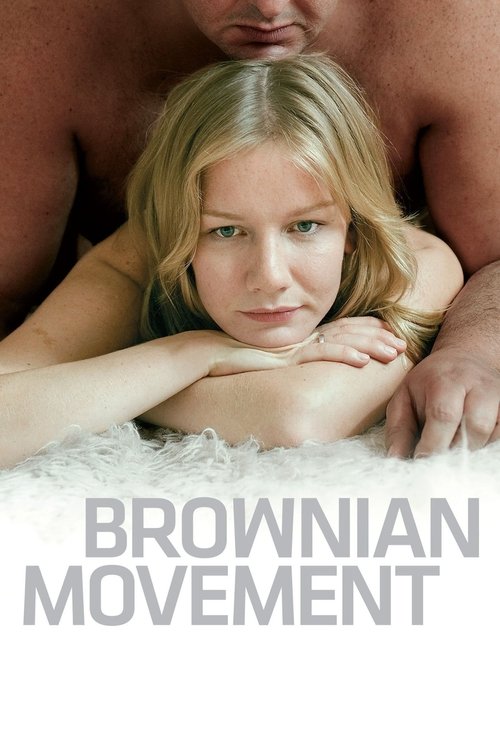
Brownian Movement 2010
Directed by Nanouk Leopold, *Brownian Movement (2010)* immerses viewers in a complex emotional narrative exploring the lingering shadows of infidelity.
Director: Nanouk Leopold
Cast








Frequently Asked Questions
What is Brownian Movement (2010) about?
The film follows a psychiatrist whose move to India with her husband unearths the ghosts of her past infidelity. As memories resurface, she's forced to confront the emotional fallout of her actions and the strain it places on her marriage.
Who directed Brownian Movement?
Nanouk Leopold, known for her introspective storytelling, directed *Brownian Movement*. Her work often explores human relationships with a keen, observational eye.
Who stars in Brownian Movement?
The film features Sandra Hüller in the lead role, alongside Dragan Bakema, Sabine Timoteo, and Frieda Pittoors.
Is Brownian Movement (2010) worth watching?
If you appreciate slow-burn dramas with layered performances and thematic depth, *Brownian Movement* is worth your time. While the film is underrated, its quiet intensity and nuanced exploration of guilt and memory make it a rewarding experience for fans of character-driven cinema.
How long is Brownian Movement?
The runtime of *Brownian Movement* is 97 minutes.
🎥 Trailer
About Brownian Movement (2010) — A Psychiatrist's Haunting Journey to India
Directed by Nanouk Leopold, *Brownian Movement (2010)* immerses viewers in a complex emotional narrative exploring the lingering shadows of infidelity. When a psychiatrist and her husband relocate to India, the past refuses to stay buried, reintroducing itself through haunting memories and unresolved tensions. Sandra Hüller delivers a powerfully understated performance as the protagonist, whose professional expertise clashes with her personal turmoil, while Dragan Bakema and Sabine Timoteo provide compelling support as figures from her fractured history. The film blends romance and drama into a melancholic meditation on guilt, memory, and the fragility of human connections.
Set against the contrasting landscapes of Europe and India, *Brownian Movement* captures the disorientation of someone caught between two lives, neither of which feels entirely her own. Leopold crafts a visually restrained yet deeply resonant atmosphere, where every glance and silence speaks volumes. The story unfolds like a slow-burning fever dream, leaving audiences to grapple with questions of accountability and redemption long after the credits roll.