An Essay on Death: A Memorial to John F. Kennedy 1964
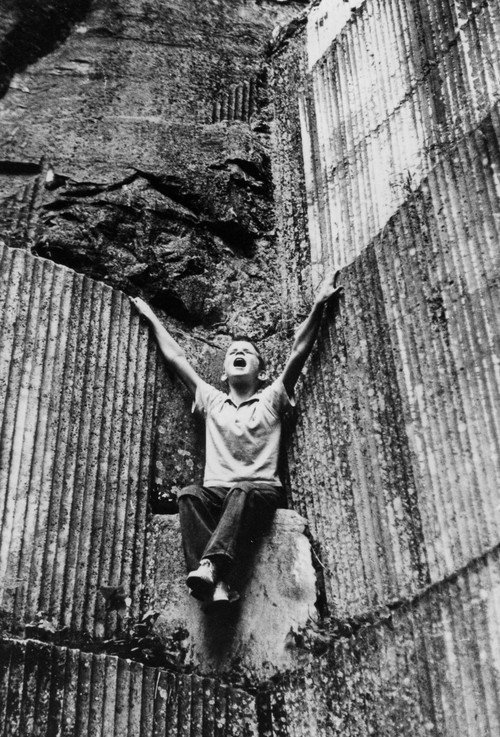
Crafted just one year after JFK's assassination, *An Essay on Death: A Memorial to John F. Kennedy (1964)* takes a poignant departure from recapping tragedy.
Director: Leo Hurwitz
Cast
Frequently Asked Questions
What is An Essay on Death: A Memorial to John F. Kennedy (1964) about?
This 1964 film explores the emotional aftermath of JFK's assassination through the lens of a father and son's camping trip. Rather than retelling the events of November 22, 1963, it examines the universal human response to death and trauma, using their journey as a metaphor for coping with collective grief.
Who directed An Essay on Death: A Memorial to John F. Kennedy?
The film was directed by Leo Hurwitz, a filmmaker known for his socially conscious documentaries and poetic approach to storytelling.
Who stars in An Essay on Death: A Memorial to John F. Kennedy?
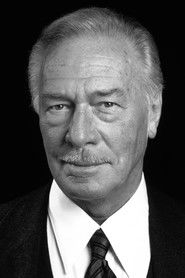
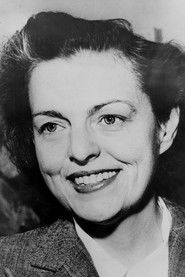
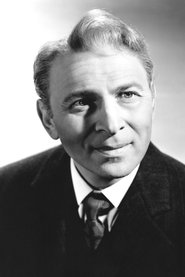
The cast features Christopher Plummer, Helen Gahagan, Morris Carnovsky, and James Broderick in key roles that ground the film's emotional depth.
Is An Essay on Death: A Memorial to John F. Kennedy (1964) worth watching?
As a unique blend of drama and documentary, it offers a rare perspective on a pivotal moment in history. While it's not a mainstream narrative, its thematic weight and Hurwitz's direction make it compelling for fans of thoughtful, introspective cinema.
How long is An Essay on Death: A Memorial to John F. Kennedy?
The runtime is 76 minutes.
About An Essay on Death: A Memorial to John F. Kennedy (1964) — A profound meditation on loss and legacy
Crafted just one year after JFK's assassination, *An Essay on Death: A Memorial to John F. Kennedy (1964)* takes a poignant departure from recapping tragedy. Directed by the visionary Leo Hurwitz, this haunting blend of drama and documentary confronts mortality with quiet intensity rather than sensationalism. The film follows a father's camping trip with his young son—a metaphor for innocence navigating grief—as both reflect on the fragile nature of life in the shadow of national loss. With Christopher Plummer lending gravitas to the narrative and Morris Carnovsky anchoring its emotional weight, Hurwitz crafts a meditative experience that lingers far beyond its 76-minute runtime. Its themes resonate as deeply today as they did in the wake of Kennedy's murder, offering viewers a rare cinematic space for contemplation.
Shot in stark black-and-white, the film's atmosphere is one of solemn reflection, blending personal sorrow with public mourning. By avoiding outright discussion of the assassination, Hurwitz invites audiences to grapple with the universal questions Kennedy's death raised: What does it mean to confront our own mortality, and how do we carry on when history feels unbearable? A quietly powerful elegy, this documentary-drama remains a vital piece of mid-century American cinema.