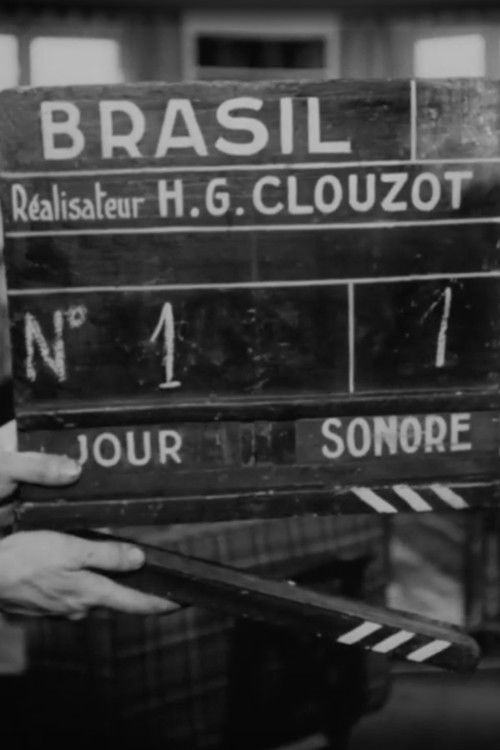
Brasil 1950
Henri-Georges Clouzot's *Brasil* (1950) offers a fleeting glimpse into a lost cinematic dream—a documentary project conceived during his honeymoon in Brazil, a country deeply personal to his wife, Véra Clouzot.
Director: Henri-Georges Clouzot
Cast



Frequently Asked Questions
What is *Brasil* (1950) about?
*Brasil* was meant to be a documentary capturing the essence of Brazil, inspired by director Henri-Georges Clouzot's honeymoon there and his wife's Brazilian heritage. Only a small introductory sequence set in Paris was ever filmed, leaving the project incomplete but steeped in personal significance.
Who directed *Brasil*?
*Brasil* was directed by Henri-Georges Clouzot, the acclaimed French filmmaker known for his suspenseful and visually striking works like *The Wages of Fear* and *Diabolique*.
Who stars in *Brasil*?
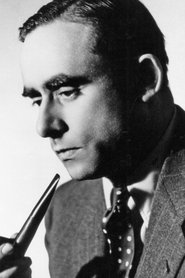
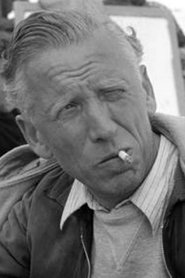
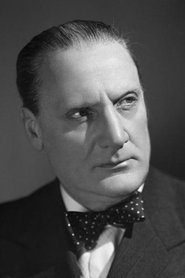
The main cast includes Henri-Georges Clouzot, his wife Véra Clouzot, Maurice Pecqueux, William Robert Sivel, and Armand Thirard, along with Danièle Delorme in a supporting role.
Is *Brasil* (1950) worth watching?
As a 11-minute documentary fragment, *Brasil* is more of a curiosity than a must-see, but it offers a fascinating glimpse into Clouzot's creative process and personal passions. Fans of his work or mid-century European cinema may find it intriguing despite its unfinished state.
How long is *Brasil*?
*Brasil* runs for 11 minutes.
About Brasil (1950) — The Unfinished Dream of Henri-Georges Clouzot
Henri-Georges Clouzot's *Brasil* (1950) offers a fleeting glimpse into a lost cinematic dream—a documentary project conceived during his honeymoon in Brazil, a country deeply personal to his wife, Véra Clouzot. Only a Parisian prologue was ever completed, leaving behind a tantalizing fragment steeped in the director's romanticism and the allure of South American landscapes. Though brief, the unfinished footage radiates ambition, blending travelogue charm with the director's signature eye for visual storytelling. The film's unfinished state and intimate connection to Clouzot's personal life give it an almost mythic quality, as if peering into a filmmaker's private notebook.
Set against the backdrop of post-war France, *Brasil* was meant to capture the vibrancy of a nation Clouzot felt drawn to, both professionally and personally. The project's abandonment adds a layer of nostalgia, transforming it into a relic of what might have been—a tantalizing peek at an unrealized vision. While short, its historical and thematic resonance lingers, offering a unique window into Clouzot's creative process and the cultural fascinations of his era.