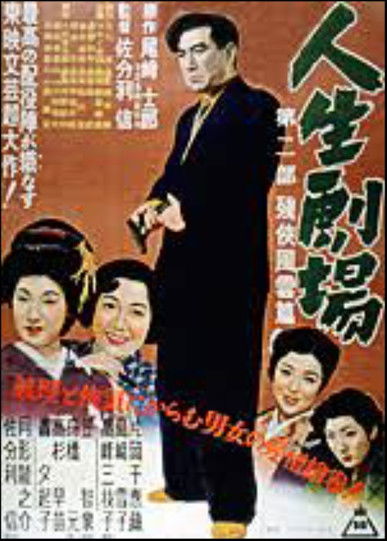
Jinsei Gekijo: dai ni bu 1953
Jinsei Gekijo: dai ni bu (1953) continues the poignant Japanese drama series *Theater of Life*, weaving another slice-of-life narrative that explores the complexities of human relationships.
Director: Shin Saburi
Cast



Frequently Asked Questions
What is Jinsei Gekijo: dai ni bu (1953) about?
The film follows the lives of ordinary people navigating personal and societal challenges in post-war Japan. Through interconnected stories, it highlights themes of perseverance, love, and the small but meaningful victories that define human existence.
Who directed Jinsei Gekijo: dai ni bu?
Shin Saburi directed Jinsei Gekijo: dai ni bu (1953), bringing his signature blend of realism and emotional depth to the project.
Who stars in Jinsei Gekijo: dai ni bu?
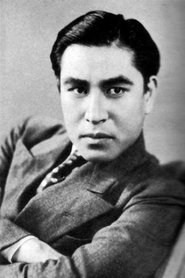
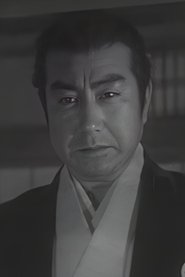
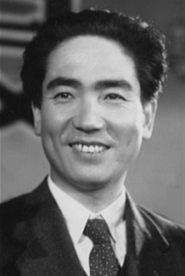
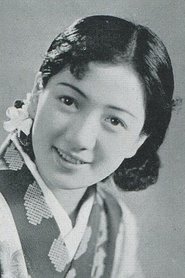
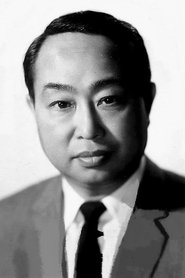
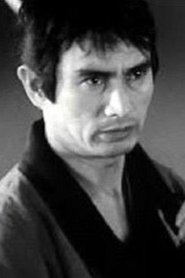
The film features Shin Saburi, Chiezo Kataoka, Mieko Takamine, Ryūnosuke Tsukigata, and Yukiko Shimazaki in key roles.
Is Jinsei Gekijo: dai ni bu (1953) worth watching?
While it lacks an IMDb rating, Jinsei Gekijo: dai ni bu (1953) is a compelling drama with strong performances and a timeless story. Fans of classic Japanese cinema or slow-burn character studies will likely find it rewarding.
How long is Jinsei Gekijo: dai ni bu?
Jinsei Gekijo: dai ni bu (1953) has a runtime of 112 minutes.
About Jinsei Gekijo: dai ni bu (1953) — Classic Japanese Drama by Shin Saburi
Jinsei Gekijo: dai ni bu (1953) continues the poignant Japanese drama series *Theater of Life*, weaving another slice-of-life narrative that explores the complexities of human relationships. Directed by Shin Saburi, who also stars alongside Chiezo Kataoka and Mieko Takamine, the film delves into themes of family, sacrifice, and the quiet struggles of everyday life in post-war Japan. With a melancholic yet warm atmosphere, the movie captures the essence of resilience and the bittersweet nature of personal growth. The 112-minute runtime allows for a rich, immersive experience that balances drama with subtle humor and emotional depth.
Shin Saburi's direction brings a naturalistic touch to the story, blending social realism with heartfelt character studies. The chemistry among the ensemble cast, including Ryūnosuke Tsukigata and Yukiko Shimazaki, elevates the narrative, making each moment feel authentic and relatable. Whether you're a fan of classic Japanese cinema or simply enjoy stories about the human condition, Jinsei Gekijo: dai ni bu (1953) offers a deeply moving experience that lingers long after the credits roll.