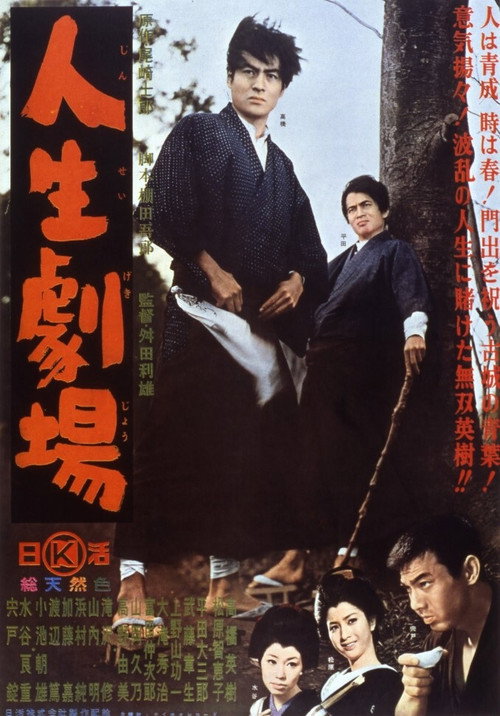
Jinsei Gekijo 1964
Step into the neon-lit underworld of 1964 Japan with *Jinsei Gekijo*, Toshio Masuda's gripping drama that brings Nikkatsu's Theater of Life to the big screen.
Director: Toshio Masuda
Cast


Frequently Asked Questions
What is Jinsei Gekijo (1964) about?
*Jinsei Gekijo* plunges viewers into a turbulent world where ambition collides with danger. The story centers on a protagonist navigating a shadowy landscape of crime and moral compromise, grappling with the consequences of their decisions in a society on the brink of change.
Who directed Jinsei Gekijo?
The film was directed by Toshio Masuda, a filmmaker known for his sharp visual storytelling and dynamic approach to genre cinema.
Who stars in Jinsei Gekijo?
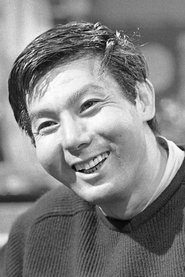
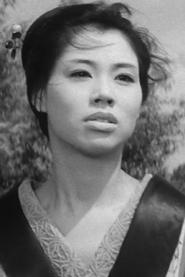
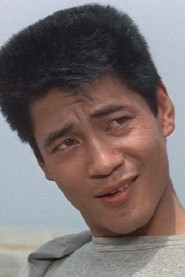
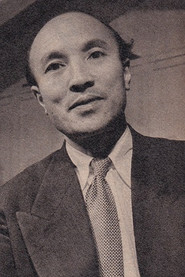
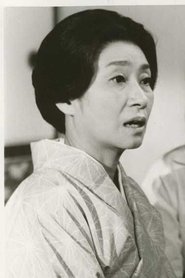
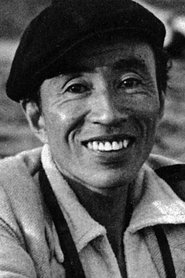
The cast features Hideki Takahashi, Chieko Matsubara, Joe Shishido, Yoshie Mizutani, and Daizaburo Hirata, delivering performances that anchor the film's intense atmosphere.
Is Jinsei Gekijo (1964) worth watching?
*Jinsei Gekijo* offers a compelling slice of 1960s Japanese cinema, blending crime and drama with Masuda's distinctive flair. While it hasn't been rated on IMDb, its thematic depth and stylish execution make it a standout for fans of classic genre films.
How long is Jinsei Gekijo?
The runtime is 105 minutes.
About Jinsei Gekijo (1964) — A Nikkatsu Crime Drama Shaped by Fate
Step into the neon-lit underworld of 1964 Japan with *Jinsei Gekijo*, Toshio Masuda's gripping drama that brings Nikkatsu's Theater of Life to the big screen. This crime-stained tale follows a bold protagonist navigating a world where fate and danger intertwine, exploring themes of resilience, moral ambiguity, and the relentless pursuit of survival. The film crackles with raw energy, blending high-stakes action with deeply human drama as characters confront their choices under the glare of city lights.
Hideki Takahashi commands the screen with intensity, supported by a standout cast including Joe Shishido and Chieko Matsubara, whose performances breathe life into this atmospheric story. *Jinsei Gekijo (1964)* isn't just a crime drama—it's a visceral snapshot of an era, where every glance and every decision carries weight. Shot through with Masuda's distinctive style, the movie delivers an unforgettable blend of grit and grandeur.