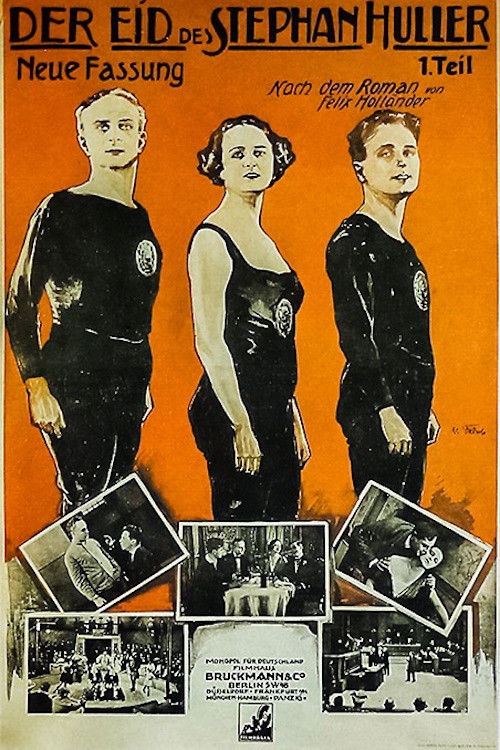
Der Eid des Stephan Huller 1912
Step into the dramatic world of early cinema with Viggo Larsen's silent-era masterpiece, *Der Eid des Stephan Huller* (1912).
Director: Viggo Larsen
Cast


Frequently Asked Questions
What is Der Eid des Stephan Huller (1912) about?
The film follows Stephan Huller as he grapples with a life-altering oath, navigating a web of conflicting loyalties and moral choices. As his personal struggles intertwine with external pressures, the story explores the weight of promises and the cost of redemption in a tense, emotionally charged setting.
Who directed Der Eid des Stephan Huller?
The film was directed by Viggo Larsen, a pioneering figure in early German cinema known for his expressive storytelling and innovative techniques.
Who stars in Der Eid des Stephan Huller?
The film features Viggo Larsen in the lead role, alongside Wanda Treumann, Fritz Schroeter, and Helene Voß, who bring depth and intensity to their characters.
Is Der Eid des Stephan Huller (1912) worth watching?
While it's a silent-era film, *Der Eid des Stephan Huller* offers a gripping narrative and strong performances that make it a fascinating watch for fans of early cinema. Its themes of moral conflict and visual storytelling provide a unique glimpse into the artistry of the period.
How long is Der Eid des Stephan Huller?
Runtime details for Der Eid des Stephan Huller (1912) are not listed.
About Der Eid des Stephan Huller (1912) — Silent-Era Drama with Viggo Larsen's Touch
Step into the dramatic world of early cinema with Viggo Larsen's silent-era masterpiece, *Der Eid des Stephan Huller* (1912). This gripping German film unfolds a tale of loyalty, betrayal, and redemption as the protagonist, Stephan Huller, faces a moral dilemma that tests his resolve. Directed by Larsen, whose visionary storytelling set the stage for silent cinema, the film blends suspense with emotional depth, creating an atmosphere thick with tension and moral ambiguity.
Wanda Treumann and Fritz Schroeter deliver standout performances, with Helene Voß adding to the ensemble's powerful dynamic. The film's themes of duty versus personal desire resonate through its carefully crafted narrative, immersing viewers in a bygone era of cinematic storytelling. Though rooted in early 20th-century filmmaking, its timeless questions about integrity and consequence ensure it remains compelling even today.