
Kuka 2007
In Yaroslav Chevazhevsky's poignant 2007 drama *Kuka*, two women—a young girl and an adult—navigate life's uncertainties from distant cities, their journeys marked by quiet resilience and longing.
Director: Yaroslav Chevazhevsky
Cast








Frequently Asked Questions
What is Kuka (2007) about?
*Kuka (2007)* follows the intertwined struggles of a young girl and an adult woman, each grappling with life's challenges across distant cities. Their stories unfold with emotional depth, exploring themes of fate, resilience, and the quiet moments that shape destiny.
Who directed Kuka?
Kuka was directed by Yaroslav Chevazhevsky, a filmmaker known for his sensitive approach to character-driven stories.
Who stars in Kuka?
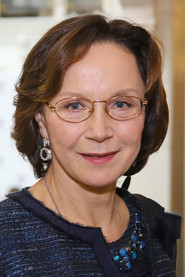
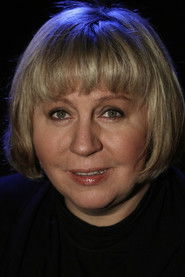
The film stars Anastasiya Dobrynina, Dina Korzun, Pavel Derevyanko, Yuri Kolokolnikov, and Dmitriy Dyuzhev in key roles.
Is Kuka (2007) worth watching?
For fans of introspective romantic dramas, *Kuka (2007)* offers a quietly powerful experience. With its evocative storytelling and strong performances, it's a film that lingers long after the credits roll, even if it isn't widely known.
How long is Kuka?
Kuka has a runtime of 104 minutes.
About Kuka (2007) — A moving tale of connection and fate in a romantic drama
In Yaroslav Chevazhevsky's poignant 2007 drama *Kuka*, two women—a young girl and an adult—navigate life's uncertainties from distant cities, their journeys marked by quiet resilience and longing. As they search for meaning and connection, their paths hang in delicate balance, teasing whether fate will intertwine their lives in unexpected ways. The film immerses viewers in a contemplative atmosphere, where every glance and hesitation carries weight, blending romance and drama into a reflective exploration of destiny and human bonds.
Set against the backdrop of everyday struggles, *Kuka (2007)* captures the fragility of human connections through stellar performances, notably from Anastasiya Dobrynina and Dina Korzun. Chevazhevsky crafts a visually understated yet deeply emotional narrative, where the unsaid often speaks louder than words, and the search for belonging becomes a universal thread weaving through their stories.