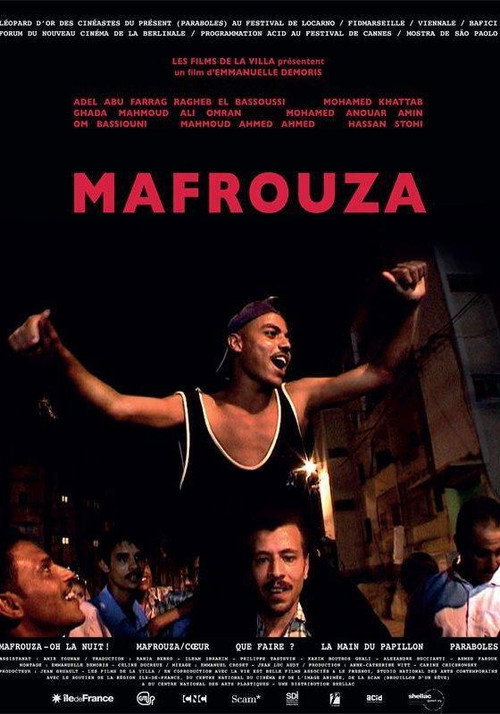
The Art of Telling 2010
Emmanuelle Demoris' *The Art of Telling (2010)* concludes her ambitious Mafrouza trilogy, a poetic and deeply humanistic exploration of community resilience in Cairo's working-class neighborhoods.
Director: Emmanuelle Demoris
Frequently Asked Questions
What is The Art of Telling (2010) about?
*The Art of Telling* follows Mohamed Khattab, a grocer and mosque preacher in Cairo's Mafrouza district, as a group of religious hardliners attempts to assert control over his community during the Eid holiday. Instead of confrontation, the locals engage in thoughtful discussions about the true meaning of faith and influence, highlighting the contrast between direct dialogue and forced persuasion.
Who directed The Art of Telling?
The film was directed by Emmanuelle Demoris, a French documentary filmmaker known for her immersive, long-form storytelling in her Mafrouza cycle.
Who stars in The Art of Telling?
The film centers on Mohamed Khattab, a local grocer and mosque preacher, along with his close friends and community members who become central to the narrative.
Is The Art of Telling (2010) worth watching?
While *The Art of Telling* may not appeal to those seeking fast-paced action, it's a must-watch for fans of contemplative documentary cinema. Its themes of resistance and community unity, paired with Demoris' observational style, make it a rewarding experience for viewers who appreciate slow, meaningful storytelling.
How long is The Art of Telling?
The film has a runtime of 155 minutes.
About The Art of Telling (2010) — A Cairo Mosque, a Quiet Triumph of Community
Emmanuelle Demoris' *The Art of Telling (2010)* concludes her ambitious Mafrouza trilogy, a poetic and deeply humanistic exploration of community resilience in Cairo's working-class neighborhoods. Set against the backdrop of Eid celebrations, the film follows Mohamed Khattab, a humble grocer and preacher whose mosque becomes the focal point of a quiet but profound struggle. When a group of religious hardliners attempts to seize control of the mosque during the sacred holiday, the locals respond not with fear or anger, but with quiet clarity, questioning the motives behind forced influence. Through Khattab's friendship and the community's measured dialogue, Demoris crafts a meditative portrait of resistance—one that celebrates the power of direct conversation over manipulation.
The atmosphere is one of measured urgency, where every whispered conversation and lingering glance carries weight. The film's observational approach and stark visuals immerse viewers in a world where faith, politics, and everyday life intertwine. For fans of documentary cinema that prioritizes human stories over spectacle, *The Art of Telling* offers a rare blend of intimacy and intellectual depth.