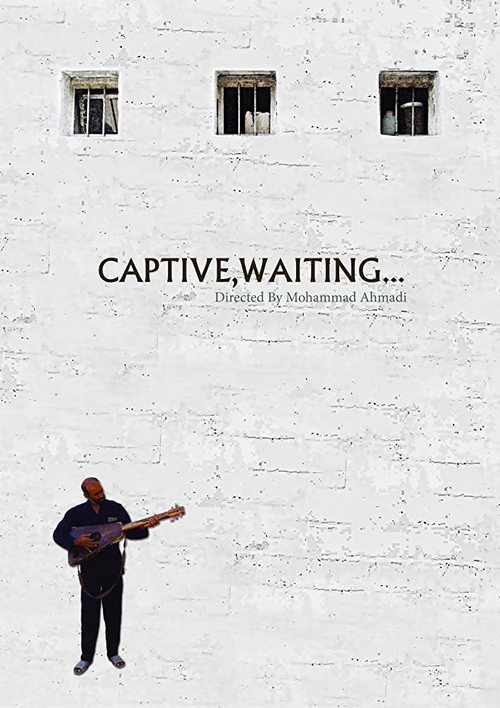
Captive, Waiting 2003
In *Captive, Waiting (2003)*, filmmaker Mohamad Ahmadi crafts a poignant documentary that peels back the layers of human resilience amid the ravages of war.
Director: Mohamad Ahmadi
Frequently Asked Questions
What is *Captive, Waiting* (2003) about?
*Captive, Waiting* tells the moving story of an Iraqi POW who spends nearly two decades in an Iranian prison after being captured during the Iran-Iraq War. Years into his captivity, he learns he has a child he's never met—sparking a deeply personal journey of longing, reflection, and the fragile hope of reconnecting with a world he was torn from.
Who directed *Captive, Waiting*?
*Captive, Waiting* was directed by Mohamad Ahmadi, whose work in documentary filmmaking often explores themes of resilience and human connection.
Who stars in *Captive, Waiting*?
The film features an Iraqi prisoner of war as the central figure, with additional interviews and testimonies from those who witnessed his story.
Is *Captive, Waiting* (2003) worth watching?
With its raw emotional depth and focus on a rarely explored aspect of wartime captivity, *Captive, Waiting* offers a compelling, if somber, viewing experience. While unrated on IMDb, its intimate portrayal of human endurance makes it a standout documentary for those interested in war narratives and personal stories of survival.
How long is *Captive, Waiting*?
*Captive, Waiting* runs for 23 minutes.
About Captive, Waiting (2003) — A father's war-time separation and the letter that changed everything
In *Captive, Waiting (2003)*, filmmaker Mohamad Ahmadi crafts a poignant documentary that peels back the layers of human resilience amid the ravages of war. Through intimate interviews and archival footage, the film follows the harrowing journey of an Iraqi prisoner of war who, after 19 years in an Iranian prison during the Iran-Iraq War, discovers he has a child he has never met—a revelation that unfolds against the backdrop of his long captivity. The documentary masterfully captures the emotional weight of separation, the slow unraveling of hope, and the quiet dignity of a man who, despite his isolation, clings to the fragile threads of family and identity.
Ahmadi's lens doesn't shy away from the stark realities of wartime captivity but instead focuses on the intimate, almost poetic moments that define survival. The film's atmosphere is one of melancholic reflection, where silence speaks louder than words, and the act of writing a letter becomes a lifeline to a world he can no longer touch. *Captive, Waiting* isn't just a recounting of war's atrocities—it's a testament to the enduring power of love and the unbreakable bonds that persist even in the darkest corners of history.