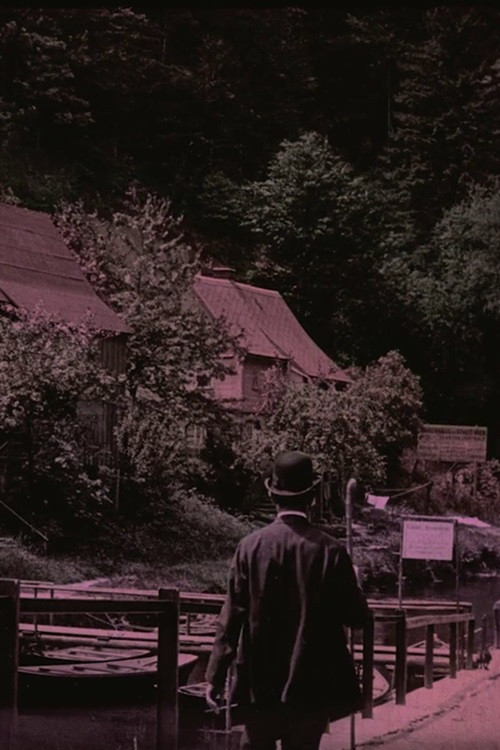
Around the World in Two Hours 1912
Step back in time to 1912 with *Around the World in Two Hours*, a fascinating silent-era documentary that condenses a whirlwind global expedition into a mere four minutes.
Frequently Asked Questions
What is Around the World in Two Hours (1912) about?
This 1912 documentary takes audiences on a condensed tour of Hamburg's ethno-geographical and zoological exhibits, blending cultural displays with animal showcases. It captures the global curiosity and scientific fascination of the late 19th century, distilled into a rapid four-minute journey.
Who directed Around the World in Two Hours?
Director information for this 1912 silent documentary is not available.
Who stars in Around the World in Two Hours?
Cast details for Around the World in Two Hours (1912) are not listed.
Is Around the World in Two Hours (1912) worth watching?
As a silent-era documentary with historical significance, Around the World in Two Hours offers a brief but intriguing look at early 20th-century curiosities. Its 4-minute runtime may limit depth, but its cultural snapshot makes it a fascinating watch for fans of film history and vintage travelogues.
How long is Around the World in Two Hours?
Around the World in Two Hours (1912) has a runtime of 4 minutes.
About Around the World in Two Hours (1912) — The 4-Minute Silent Film That Packed a Century of Wonder
Step back in time to 1912 with *Around the World in Two Hours*, a fascinating silent-era documentary that condenses a whirlwind global expedition into a mere four minutes. Directed by an unknown filmmaker, this early cinematic curiosity transports viewers to the vibrant "ethno-geographical" and "zoological gardens" of Hamburg, Germany—a snapshot of the world's wonders as imagined at the close of the 19th century. The film weaves together the exotic and the scientific, blending cultural displays with animal exhibits to capture the spirit of a bygone era's fascination with the globe. Shot during a time when travel was a luxury and global exploration was still a romanticized dream, its rapid pacing mirrors the breathless excitement of discovery itself. Though simple by modern standards, its historical value lies in how it reflects the curiosities and colonial-era perspectives of its time.
Around the World in Two Hours (1912) isn't just a film—it's a cultural artifact. As one of the earliest examples of travelogue cinema, it offers a fleeting glimpse into how people in the early 1900s imagined the wider world. The short runtime demands efficiency, but the imagery—however staged—hints at the exoticism and wonder that fueled early 20th-century audiences' imaginations. Whether viewed as a historical curiosity or a testament to early film innovation, this documentary stands as a tiny yet vivid window into a moment when the world felt vast, mysterious, and newly accessible through the lens of cinema.