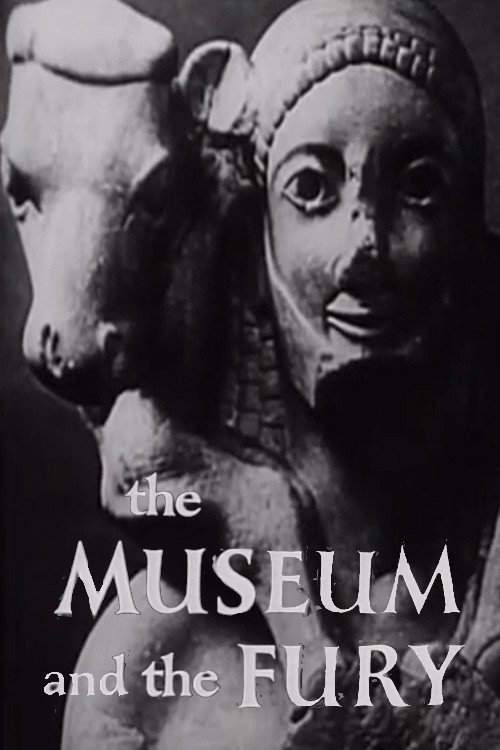
The Museum and the Fury 1956
Leo Hurwitz's *The Museum and the Fury (1956)* is a haunting documentary that weaves together archival footage of Auschwitz-Birkenau's liberation, raw moments from the Nuremberg Trials, and stark images of museum visitors confronting history's darkest chapters.
Director: Leo Hurwitz
Cast
Frequently Asked Questions
What is *The Museum and the Fury (1956)* about?
*The Museum and the Fury* examines how the Auschwitz-Birkenau State Museum preserved and presented the horrors of the Holocaust through archival footage and museum exhibits. The film contrasts the raw, visceral images of liberation and the Nuremberg Trials with the quiet contemplation of modern-day visitors, creating a dialogue between past and present.
Who directed *The Museum and the Fury*?
*The Museum and the Fury* was directed by Leo Hurwitz, a filmmaker known for his documentary work that explored social and political themes with a keen visual sensibility.
Who stars in *The Museum and the Fury*?
The film features Josephine Kirk as a key presence, guiding viewers through the museum's exhibits, while archival footage and historical figures drive the narrative forward.
Is *The Museum and the Fury (1956)* worth watching?
As a documentary, *The Museum and the Fury* offers a rare and unflinching look at post-war justice and memory, though its slow pacing and historical focus may not appeal to all modern audiences. Its stark honesty and thematic depth make it a compelling watch for those interested in Holocaust education and documentary filmmaking.
How long is *The Museum and the Fury*?
*The Museum and the Fury* has a runtime of 56 minutes.
About The Museum and the Fury (1956) — A 1956 Documentary Essay on Memory and Justice
Leo Hurwitz's *The Museum and the Fury (1956)* is a haunting documentary that weaves together archival footage of Auschwitz-Birkenau's liberation, raw moments from the Nuremberg Trials, and stark images of museum visitors confronting history's darkest chapters. Through a meticulous essayistic structure, the film explores the fragile yet enduring nature of collective memory, forcing audiences to grapple with the weight of the past. Shot with a stark, unflinching visual style, it balances historical documentation with the quiet, reflective presence of those who now walk the museum's halls. The juxtaposition of harrowing footage with the mundane act of observing serves as a powerful meditation on trauma, justice, and the responsibility of remembrance.
From the perspective of the newly established Auschwitz-Birkenau State Museum, Hurwitz crafts a film that is as much about the act of witnessing as it is about the events themselves. The narrative unfolds like a slow-burning revelation, where the weight of history is carried not just by the images but by the spaces they inhabit. Josephine Kirk's role as a guide through this landscape adds a human touch, grounding the film's intellectual rigor in the emotional weight of personal reflection.