Opus I 1949
Dive into the mesmerizing world of *Opus I (1949)*, Jørgen Roos' avant-garde animated short that transforms simple chalk-drawn shapes into a rhythmic symphony.
Director: Jørgen Roos
Frequently Asked Questions
What is Opus I (1949) about?
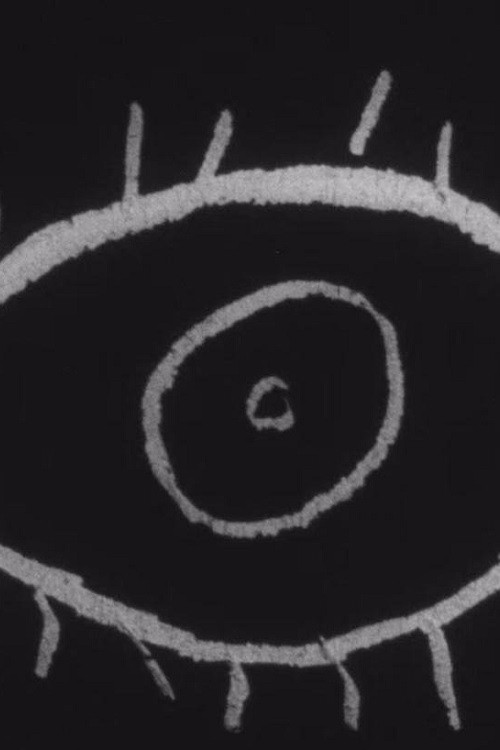
*Opus I (1949)* is an experimental animated short where chalk-drawn circles, triangles, flowers, an eye, and a tear come to life through the rhythm of a New Orleans Parade. The film transforms simple shapes into a harmonious visual melody, blending abstraction with poetic storytelling.
Who directed Opus I?
Jørgen Roos directed *Opus I (1949)*, an early example of his innovative approach to animation that merges music and visual art.
Who stars in Opus I?
The cast of *Opus I (1949)* is not listed, as the film focuses on abstract shapes rather than traditional characters.
Is Opus I (1949) worth watching?
While *Opus I (1949)* is a niche experimental film, its unique blend of animation and music makes it a fascinating watch for fans of avant-garde cinema. Its short runtime and artistic approach offer a refreshing escape from conventional storytelling.
How long is Opus I?
Runtime details for *Opus I (1949)* are not listed.
About Opus I (1949) — A Chalk-Drawn Rhapsody of Shapes and Sound
Dive into the mesmerizing world of *Opus I (1949)*, Jørgen Roos' avant-garde animated short that transforms simple chalk-drawn shapes into a rhythmic symphony. Circles spin, triangles dance, and flowers bloom to the beat of a New Orleans Parade, all set against a backdrop of poetic visuals that blur the line between abstraction and storytelling. The film's subtitle, *Some lines scratched in the film by Jørgen Roos*, hints at its experimental nature, where every stroke feels like a spontaneous burst of creativity. With its playful yet profound approach, *Opus I* is a celebration of movement and music, inviting viewers to see the ordinary in extraordinary ways.
This black-and-white gem is a testament to the power of minimalism, where the absence of dialogue only enhances the emotional resonance of its visuals. The interplay between geometric precision and organic fluidity creates an atmosphere that's both playful and introspective, making it a standout in Denmark's animation history. Whether you're a fan of abstract art or curious about early experimental cinema, *Opus I (1949)* offers a brief but unforgettable experience that lingers long after the final frame.