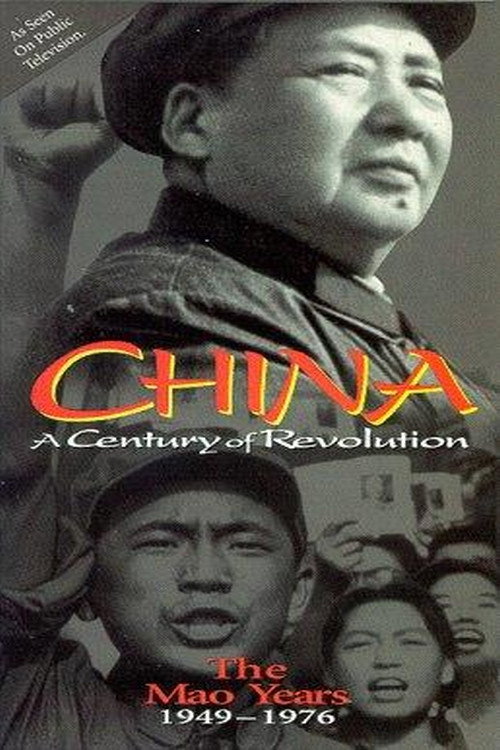
Part Two: The Mao Years 1949–1976 1994
Part Two: The Mao Years 1949–1976 (1994), directed by Sue Williams, dives into one of the most pivotal yet turbulent chapters of modern Chinese history.
Director: Sue Williams
Cast
Frequently Asked Questions
What is Part Two: The Mao Years 1949–1976 (1994) about?
This documentary explores China under Mao Zedong's rule from 1949 to 1976, a period defined by revolutionary fervor and brutal political campaigns. It contrasts the early optimism of the People's Republic with the devastating consequences of Mao's policies, offering a nuanced look at survival and sacrifice.
Who directed Part Two: The Mao Years 1949–1976?
Sue Williams directed this powerful documentary, bringing her signature investigative approach to historical storytelling.
Who stars in Part Two: The Mao Years 1949–1976?
The film features narration by Will Lyman, with archival contributions shaping its narrative.
Is Part Two: The Mao Years 1949–1976 (1994) worth watching?
As a meticulously researched history documentary, it's a compelling watch for anyone interested in 20th-century geopolitics or Maoist China. Its unflinching look at a complex era makes it both educational and thought-provoking.
How long is Part Two: The Mao Years 1949–1976?
Part Two: The Mao Years 1949–1976 runs for 114 minutes.
Part Two: The Mao Years 1949–1976 (1994): Inside Mao Zedong's Turbulent Reign — Full Movie Info
Part Two: The Mao Years 1949–1976 (1994), directed by Sue Williams, dives into one of the most pivotal yet turbulent chapters of modern Chinese history. This gripping documentary traces Mao Zedong's reign from the hopeful establishment of the People's Republic in 1949 through his death in 1976, revealing a story of stark contrasts. Against a backdrop of national celebration and aspirations for progress, the film uncovers the violent upheavals, political purges, and relentless campaigns that marked this era. Through archival footage and personal testimonies, Williams crafts an immersive portrait of a nation torn between idealism and oppression.
Narrated by Will Lyman, this installment in the acclaimed trilogy balances intimate human stories with sweeping historical analysis. The atmosphere is haunting yet revelatory, as the film dissects the cyclical nature of power and ideology. With its focus on themes of revolution, disillusionment, and resilience, Part Two: The Mao Years 1949–1976 (1994) stands as a vital resource for understanding China's 20th-century transformation.