Seul 1932
Directed by Jean Tarride, Seul (1932) is a poignant romance that captures the essence of a chance encounter between two individuals from different worlds.
Director: Jean Tarride
Cast

Frequently Asked Questions
What is Seul (1932) about?
Seul is a poignant romance that tells the story of a chance encounter between a poor boy and an elegant young woman, exploring the complexities of love and social class.
Who directed Seul?
Seul was directed by Jean Tarride.
Who stars in Seul?
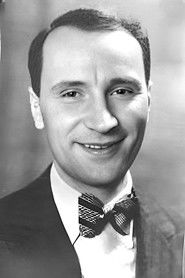
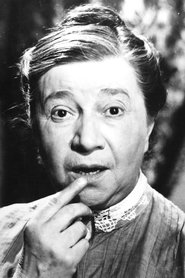
The film features a talented cast, including René Lefèvre, Denise Pera, and Pauline Carton.
Is Seul (1932) worth watching?
While Seul may not have received a rating on IMDb, its exploration of love and class themes continues to resonate with audiences today, making it a worthwhile watch for those interested in early cinema.
How long is Seul?
Seul has a runtime of 46 minutes.
About Seul (1932) — A poignant romance of love and class
Directed by Jean Tarride, Seul (1932) is a poignant romance that captures the essence of a chance encounter between two individuals from different worlds. Set against the backdrop of a luxurious house, the film tells the story of a poor boy who falls for an elegant young woman, only to be left bewildered when she suddenly appears at his doorstep. As the narrative unfolds, we are treated to a tender exploration of love, class, and the human experience. With its concise runtime of 46 minutes, Seul is a thought-provoking and emotionally charged cinematic experience that will leave viewers pondering the complexities of relationships and social status.
This early romance by Jean Tarride is a masterclass in subtlety, relying on the performances of its cast, including René Lefèvre, Denise Pera, and Pauline Carton, to convey the depth of emotions and vulnerability. The film's themes of love, social class, and the human condition continue to resonate with audiences today, making it a must-watch for those interested in the early days of cinema.