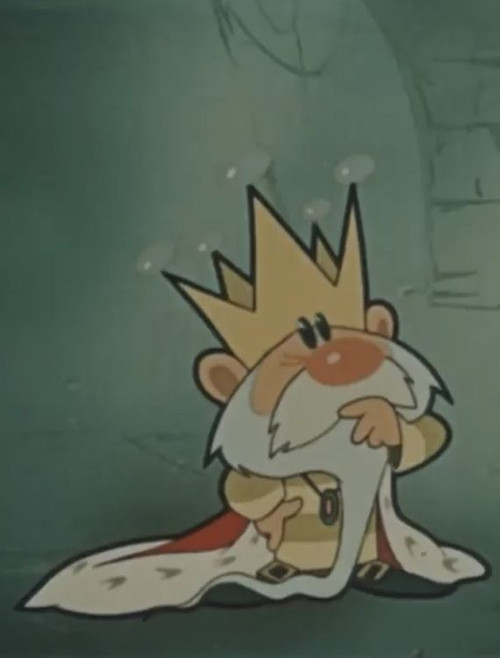
Dióbél királyfi 1963
Dióbél királyfi (1963) is a classic Hungarian animated short that brings Ferenc Móra's timeless folktale to life under the direction of Attila Dargay.
Director: Attila Dargay
Cast

Frequently Asked Questions
What is Dióbél királyfi (1963) about?
This animated short follows an elderly king who devises an archery competition to determine which of his three sons will inherit the throne. The test involves hitting the center of a copper penny bearing the king's portrait, turning a simple challenge into a dramatic test of skill and fate.
Who directed Dióbél királyfi?
Dióbél királyfi was directed by Attila Dargay, a pioneering figure in Hungarian animation known for his ability to blend folklore with cinematic storytelling.
Who stars in Dióbél királyfi?
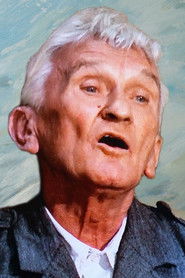
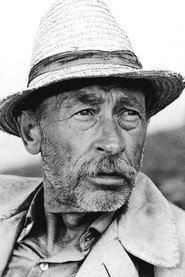
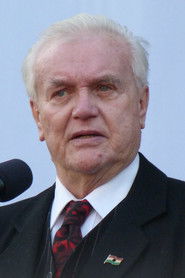
The film features the voices of Károly Mécs, János Rajz, László Bánhidy, László Csurka, and László Márkus, who bring the king, his sons, and the wise shepherd to life.
Is Dióbél királyfi (1963) worth watching?
For fans of classic animation and folktales, Dióbél királyfi (1963) offers a delightful 13-minute escape into a world of tradition and competition. While it may not be widely known internationally, its unique cultural perspective and charming execution make it a rewarding watch.
How long is Dióbél királyfi?
Dióbél királyfi runs for 13 minutes.
About Dióbél királyfi (1963) — A Hungarian Animated Folktale of Archery and Destiny
Dióbél királyfi (1963) is a classic Hungarian animated short that brings Ferenc Móra's timeless folktale to life under the direction of Attila Dargay. This 13-minute gem unfolds in a medieval kingdom where tradition meets ambition, as an aging king challenges his three sons to prove their worth through an archery contest. The high-stakes competition hinges on hitting the center of a copper penny bearing the king's portrait—symbolizing both duty and destiny. With rich visuals and a nostalgic charm, the film captures the essence of folklore, blending humor, tension, and heartfelt lessons about legacy and responsibility.
Narrated by a trusted shepherd and framed by the director's signature stylistic touches, Dióbél királyfi (1963) stands out as a testament to Hungary's golden era of animation. Its concise runtime belies deep thematic layers, making it a hidden treasure for animation enthusiasts and casual viewers alike—especially those who appreciate the magic of hand-drawn storytelling.