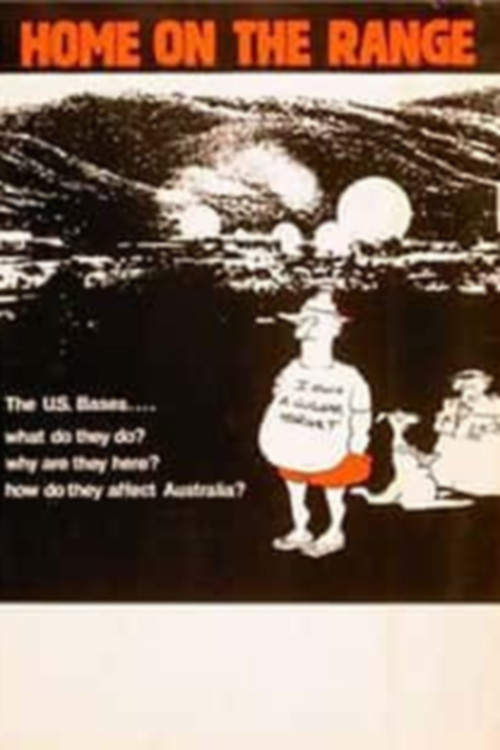
Home on the Range 1981
Step into the politically charged world of *Home on the Range (1981)*, an Australian independent documentary that casts a critical eye on Cold War-era tensions through the lens of Pine Gap, a secretive US military installation nestled near Alice Spri...
Director: Gil Scrine
Frequently Asked Questions
What is Home on the Range (1981) about?
*Home on the Range (1981)* peels back the layers of Pine Gap, a pivotal US military installation in Australia's Northern Territory, to examine its role during the Cold War. The documentary delves into the geopolitical tensions, local reactions, and the broader implications of foreign military presence on Australian soil.
Who directed Home on the Range?
The film was directed by Gil Scrine, an Australian filmmaker known for his work in independent and politically charged documentaries.
Who stars in Home on the Range?
Cast details for *Home on the Range (1981)* are not publicly listed, as it is a documentary focusing on real-life figures and events rather than actors.
Is Home on the Range (1981) worth watching?
While *Home on the Range (1981)* is a niche documentary, it offers a fascinating historical perspective on Cold War-era geopolitics. Its relevance to understanding modern military installations and sovereignty debates makes it a compelling watch for fans of political cinema and history buffs alike.
How long is Home on the Range?
The runtime of *Home on the Range (1981)* is 54 minutes.
About Home on the Range (1981) — An Australian Documentary on Pine Gap and US Military Presence
Step into the politically charged world of *Home on the Range (1981)*, an Australian independent documentary that casts a critical eye on Cold War-era tensions through the lens of Pine Gap, a secretive US military installation nestled near Alice Springs in Australia's Northern Territory. Directed by Gil Scrine, this 54-minute film dives deep into the geopolitical and social implications of foreign military presence, blending investigative journalism with raw, unfiltered perspectives. The atmosphere is tense and thought-provoking, as Scrine explores themes of sovereignty, surveillance, and the quiet resistance of local communities. Shot in a documentary style, the film offers a rare glimpse into the inner workings of a facility shrouded in secrecy, inviting viewers to question the balance of power between nations.
At its core, *Home on the Range (1981)* is a timely reflection on how global conflicts manifest in small, often overlooked corners of the world. Scrine's unflinching approach to the subject matter creates a compelling narrative that feels as urgent today as it must have in the 80s. The film's straightforward yet gripping style makes it accessible to both casual viewers and those deeply interested in political cinema, offering a blend of education and intrigue that lingers long after the credits roll.