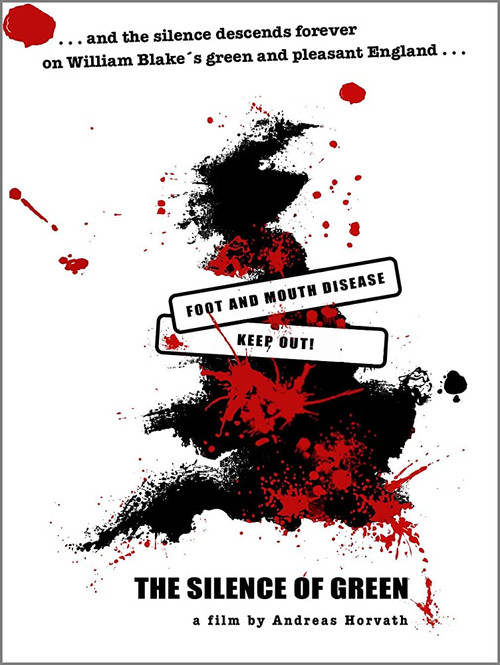
The Silence of Green 2002
Andreas Horvath's *The Silence of Green (2002)* transforms the devastating foot-and-mouth disease outbreak in rural Great Britain into a haunting, meditative essay.
Director: Andreas Horvath
Frequently Asked Questions
What is The Silence of Green (2002) about?
*The Silence of Green* examines the far-reaching consequences of the 2001 foot-and-mouth epidemic in Great Britain, framing the crisis through a poetic and introspective lens. Rather than focusing solely on the disease itself, the film delves into the emotional and cultural fallout, portraying ghostly rural landscapes and communities left in limbo. It's a quiet, visually stunning reflection on loss and resilience.
Who directed The Silence of Green?
Andreas Horvath directed *The Silence of Green*, bringing a deeply artistic and contemplative approach to documentary storytelling.
Who stars in The Silence of Green?
Cast details for *The Silence of Green* are not listed, reflecting its focus on landscapes and thematic storytelling over traditional performances.
Is The Silence of Green (2002) worth watching?
While short in runtime, *The Silence of Green* offers a uniquely atmospheric take on a real-world tragedy, making it a compelling watch for fans of poetic documentaries. Its meditative pacing and striking visuals set it apart from more conventional crisis-focused films, though its abstract style may not appeal to everyone.
How long is The Silence of Green?
The runtime of *The Silence of Green* is 48 minutes.
About The Silence of Green (2002): A Poetic Essay on Crisis and Silence in Rural Britain
Andreas Horvath's *The Silence of Green (2002)* transforms the devastating foot-and-mouth disease outbreak in rural Great Britain into a haunting, meditative essay. The documentary unfolds like a visual poem, capturing the eerie stillness of abandoned farms and the emotional weight of a nation grappling with crisis. Through poetic imagery and silence, Horvath explores themes of loss, isolation, and the fragility of rural life, immersing viewers in a landscape both physically and emotionally scarred. The film blends stark realism with lyrical introspection, offering a unique perspective on an epidemic that reshaped communities and left an indelible mark on British history.
Intentionally understated yet profoundly evocative, *The Silence of Green* avoids sensationalism in favor of quiet reflection. The documentary's atmospheric tone—evoked through desolate landscapes and minimal narration—draws parallels between human suffering and the natural world's resilience. It's a short but impactful cinematic experience for those drawn to documentary filmmaking that prioritizes mood and meaning over traditional narrative structure.