Play 1968
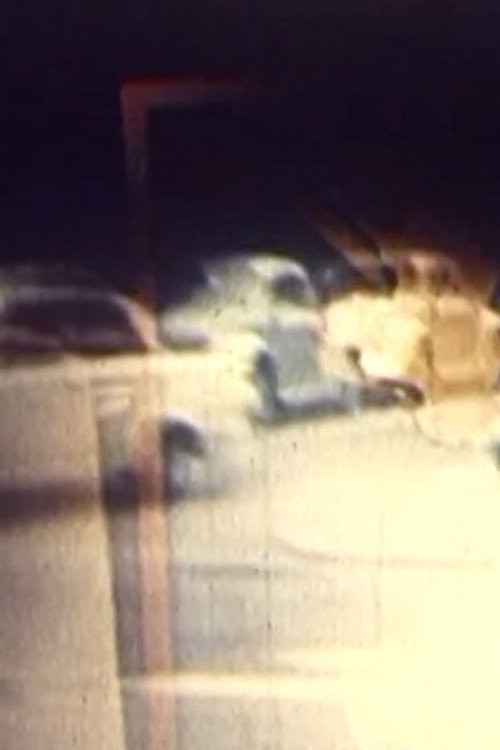
Dive into the avant-garde short film Play (1968) by H.H.K. Schoenherr, a mesmerizing 12-minute exploration of cinema itself. This experimental piece unravels the many layers of the word "play," transforming it into a visual symphony of motion and stillness.
Director: HHK Schoenherr
Frequently Asked Questions
What is Play (1968) about?
Play (1968) is an experimental short film that dives deep into the concept of "play" as both a noun and a verb. It transforms raw film materials—unexposed, overexposed, and double-exposed footage—into a visual poem exploring creativity, time, and the playful nature of cinema itself. The film doesn't follow a traditional narrative but instead invites viewers to interpret its abstract imagery.
Who directed Play?
Play (1968) was directed by H.H.K. Schoenherr, a filmmaker known for pushing the boundaries of experimental cinema.
Who stars in Play?
Cast details for Play (1968) are not listed, as this experimental short relies more on visual storytelling than traditional performances.
Is Play (1968) worth watching?
While Play (1968) isn't a mainstream film, it's a fascinating watch for lovers of avant-garde cinema. Its experimental techniques and atmospheric visuals make it a standout in short films, offering a unique perspective on the art of filmmaking. If you're curious about experimental films, it's definitely worth a look.
How long is Play?
Play (1968) runs for 12 minutes.
About Play (1968) — A Hypnotic Short Film Experimenting with Cinema's Essence
Dive into the avant-garde short film Play (1968) by H.H.K. Schoenherr, a mesmerizing 12-minute exploration of cinema itself. This experimental piece unravels the many layers of the word "play," transforming it into a visual symphony of motion and stillness. Through overexposed frames, playful double exposures, and the raw beauty of unexposed film stock, Schoenherr crafts a meditative experience that blurs the line between reality and imagination. The film's abstract narrative invites viewers to ponder the essence of filmmaking—color, texture, and the fleeting nature of time—all while immersing them in an atmospheric dreamscape where every frame feels like a playground for the senses.
Play (1968) isn't just a film; it's a celebration of the medium's limitless possibilities. By juxtaposing playful imagery with the raw materials of cinema—waste film, playful light, and experimental techniques—Schoenherr challenges audiences to see beyond the screen. The result is a hypnotic, thought-provoking short that feels both timeless and effortlessly modern, perfect for fans of avant-garde cinema and those who appreciate the artistry behind the filmstrip.