Tekutý chléb 1940
Dive into the world of early 20th-century Czechoslovakian life with *Tekutý chléb (1940)*, a documentary by Josef Vilímek that offers a rare glimpse into the rhythms of a bygone era.
Director: Josef Vilímek
Cast
Frequently Asked Questions
What is Tekutý chléb (1940) about?
*Tekutý chléb* is a documentary that captures the essence of daily life in Czechoslovakia during the early 20th century. Through a series of poignant and visually rich scenes, the film explores the interplay between tradition and modernity, offering a window into the cultural fabric of the era.
Who directed Tekutý chléb?
Josef Vilímek directed *Tekutý chléb (1940)*. While not as widely recognized as some contemporaries, his work in documentary filmmaking remains a testament to his skill in capturing authentic moments.
Who stars in Tekutý chléb?
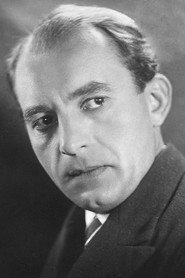
The documentary features Karel Třešňák as the primary presence, embodying the spirit of the era through his role in the film.
Is Tekutý chléb (1940) worth watching?
For fans of documentary films and historical cinema, *Tekutý chléb* is a compelling watch. Its poetic approach and historical significance make it a valuable addition to any film enthusiast's repertoire, even if it's a niche choice for general audiences.
How long is Tekutý chléb?
Runtime details are not listed for *Tekutý chléb (1940)*.
About Tekutý chléb (1940) — Discover the Poetic Realism in Josef Vilímek's Groundbreaking Documentary
Dive into the world of early 20th-century Czechoslovakian life with *Tekutý chléb (1940)*, a documentary by Josef Vilímek that offers a rare glimpse into the rhythms of a bygone era. This evocative film captures the essence of daily existence through a lens that feels both nostalgic and timeless, immersing viewers in the textures of rural and urban life. Vilímek's direction shines a spotlight on the simplicity and complexity of ordinary moments, blending poetic realism with unfiltered authenticity.
As a genre-defining work of documentary filmmaking, *Tekutý chléb* stands out for its observational depth and subtle storytelling, making it a fascinating study for cinephiles and history enthusiasts alike. The film's power lies in its ability to transport audiences to a moment frozen in time, where every frame feels like a page from a living history book. Whether you're drawn to its visual poetry or its cultural significance, this short yet impactful documentary invites reflection and appreciation for the art of non-fiction storytelling.