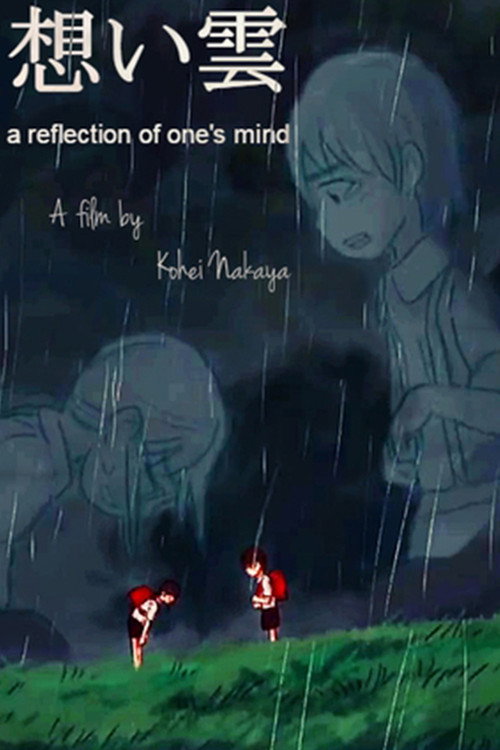
a reflection of one's mind 2016
A 2016 animated short by filmmaker Kohei Nakaya, *a reflection of one's mind* is a contemplative six-minute journey into the depths of consciousness.
Director: Kohei Nakaya
Frequently Asked Questions
What is *a reflection of one's mind* (2016) about?
This six-minute animated short delves into the abstract landscapes of the human mind, blending surreal visuals with minimalist storytelling. The film avoids a traditional narrative, instead focusing on the intangible nuances of memory, identity, and the subconscious.
Who directed *a reflection of one's mind*?
Kohei Nakaya directed the short film, bringing a unique vision that merges experimental animation with philosophical depth.
Who stars in *a reflection of one's mind*?
Cast details for this short film are not publicly listed.
Is *a reflection of one's mind* (2016) worth watching?
Given its experimental nature and six-minute runtime, the film is best suited for fans of abstract animation and introspective cinema. While not a mainstream pick, its thematic boldness and atmospheric execution make it a compelling watch for niche audiences.
How long is *a reflection of one's mind*?
The runtime is approximately six minutes.
About *a reflection of one's mind* (2016) — A brief but profound animated short by Kohei Nakaya
A 2016 animated short by filmmaker Kohei Nakaya, *a reflection of one's mind* is a contemplative six-minute journey into the depths of consciousness. Through abstract visuals and minimalist storytelling, Nakaya explores themes of self-perception, memory, and the fleeting nature of human existence. The film's eerie yet mesmerizing atmosphere lingers long after the credits roll, leaving viewers to ponder the intangible layers of identity. Though brief, its poetic approach to animation elevates it beyond a simple experimental piece, transforming it into a haunting meditation on the mind's complexities.
Despite its short runtime, the film's visual language speaks volumes, using stark contrasts and fluid motion to mirror the unpredictable currents of thought. Nakaya's direction leans into ambiguity, inviting audiences to interpret the narrative through their own emotional and psychological lenses. The absence of dialogue amplifies its impact, relying on raw imagery to convey its core themes—making *a reflection of one's mind* a standout entry in 2016's animation landscape.