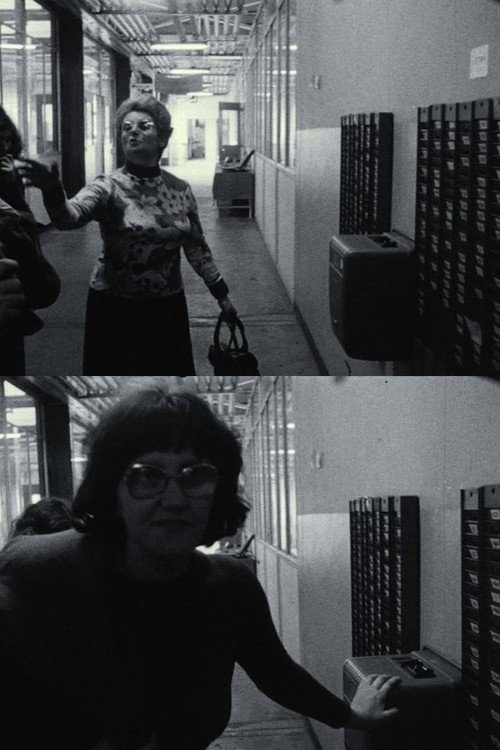
À pas lentes 1979
À pas lentes (1979) captures the raw spirit of resilience through the voices of two women four years after the historic Lip factory strike in Besançon.
Frequently Asked Questions
What is À pas lentes (1979) about?
À pas lentes revisits the Lip factory strike in Besançon through the eyes of two women workers, four years after the historic labor dispute. The short documentary by Cinélutte gives these women a platform to reflect on their fight for justice and the lasting impact of their struggle on their lives and community.
Who directed À pas lentes?
Director information is not available.
Who stars in À pas lentes?
The film features two central figures—two women workers from the Lip factory—whose voices and experiences drive the documentary forward.
Is À pas lentes (1979) worth watching?
Though unrated on IMDb, À pas lentes offers a rare glimpse into labor history and feminist labor activism. Its 40-minute runtime makes it accessible, and its themes of resistance and unity give it lasting relevance. Fans of political documentaries will find it compelling.
How long is À pas lentes?
À pas lentes has a runtime of 40 minutes.
About À pas lentes (1979) — A short documentary portrait of Lip factory strike heroines
À pas lentes (1979) captures the raw spirit of resilience through the voices of two women four years after the historic Lip factory strike in Besançon. This short but powerful documentary by the revolutionary collective Cinélutte transforms oral history into cinema, giving two working-class heroines the chance to share their unforgettable stories. The film isn't just a record—it's a tribute to solidarity, female empowerment, and the quiet courage of those who dared to challenge the status quo. With a runtime of just 40 minutes, it delivers a punch of authenticity that lingers long after the final frame.
Set against the backdrop of post-strike France, À pas lentes (1979) blends gritty realism with intimate storytelling, immersing viewers in the daily struggles and triumphs of its subjects. The documentary's tone is both solemn and uplifting, reflecting the weight of history while celebrating the enduring legacy of grassroots activism. Though modest in length, its emotional impact resonates with anyone who values the power of collective action and the unshakable spirit of those who fight for their rights.