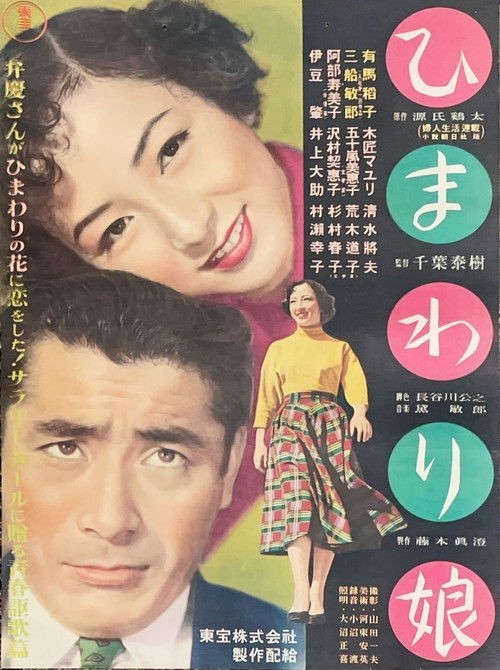
Sunflower Girl 1953
Yasuki Chiba's *Sunflower Girl (1953)* is a lighthearted Japanese comedy that blends workplace dynamics with romantic tension, set against the backdrop of post-war Tokyo's corporate culture.
Director: Yasuki Chiba
Cast

Toshirō Mifune
Ippei Hitachi

Ineko Arima
Setsuko Fujino

Hajime Izu
Ryosuke Tanabe
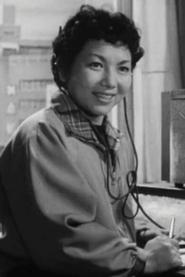
Mayuri Mokushô
Toshiko Shiimura
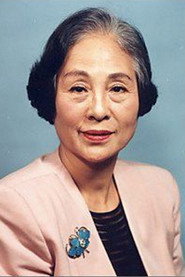
Sumiko Abe
Eiko Ishii
Keiko Sawamura
Mikiko Iida

Masao Shimizu
Setsuko's father
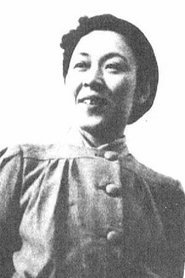
Sachiko Murase
Setsuko's mother
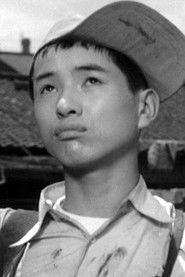
Daisuke Inoue
Setsuko's brother
Keiko Sawamura
Frequently Asked Questions
What is Sunflower Girl (1953) about?
*Sunflower Girl (1953)* follows Setsuko Fujino, a young employee at Tokyo Chemical Company who defies workplace norms by serving tea to her boss, Ippei Hitachi. When her colleagues stage a strike over gender expectations, Setsuko must navigate loyalty, tradition, and her own burgeoning feelings for Hitachi—especially after Ryosuke Tanabe, the heir to the company, proposes marriage.
Who directed Sunflower Girl?
The film was directed by Yasuki Chiba, known for his work in Japanese cinema during the 1950s.
Who stars in Sunflower Girl?
The film stars Toshirō Mifune, Ineko Arima, Hajime Izu, Mayuri Mokushô, and Sumiko Abe in pivotal roles.
Is Sunflower Girl (1953) worth watching?
While unrated on IMDb, *Sunflower Girl (1953)* offers a charming snapshot of post-war Japanese office culture through its clever mix of comedy and romance. Its themes of workplace defiance and personal growth make it a worthwhile watch for fans of classic comedies and character-driven stories.
How long is Sunflower Girl?
The film has a runtime of 87 minutes.
About Sunflower Girl (1953) — A Tokyo Office Comedy Full of Heart and Humor
Yasuki Chiba's *Sunflower Girl (1953)* is a lighthearted Japanese comedy that blends workplace dynamics with romantic tension, set against the backdrop of post-war Tokyo's corporate culture. The film follows Setsuko Fujino, a cheerful young woman who takes pride in serving tea to her kind-hearted boss, Ippei Hitachi, despite skepticism from her colleagues who resist traditional servility. When a strike erupts over gender roles in the office, Setsuko finds herself torn between loyalty and ambition. The arrival of Ryosuke Tanabe, the company heir, adds a layer of unexpected complication as her feelings for Hitachi deepen, creating a playful yet poignant exploration of duty, desire, and workplace rebellion.
With its vibrant energy and relatable themes, *Sunflower Girl (1953)* showcases the charm of early Japanese comedies, anchored by standout performances from Toshirō Mifune and Ineko Arima. The film's breezy tone and human-centered storytelling make it a delightful watch for fans of classic cinema and workplace dramedies alike.