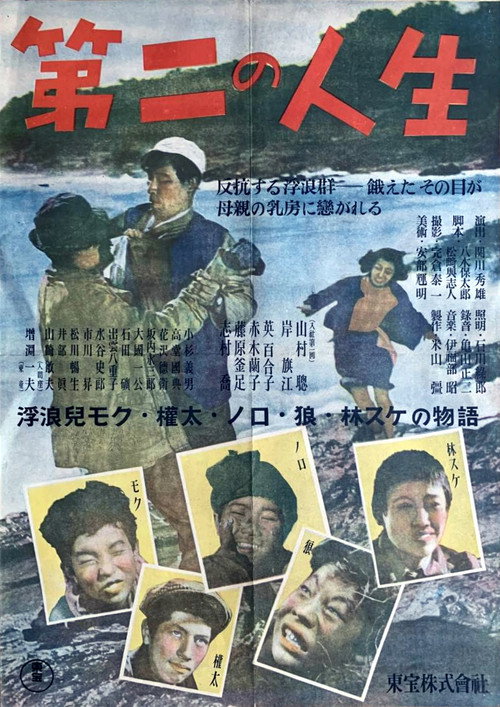
A Second Life 1948
In the post-war landscape of 1948 Japan, *A Second Life* unfolds as a poignant drama that captures the fragile hope and quiet resilience of ordinary people rebuilding their lives.
Director: Hideo Sekigawa
Cast


Frequently Asked Questions
What is A Second Life (1948) about?
The film follows ordinary individuals in post-war Japan as they grapple with rebuilding their lives and finding purpose after hardship. Through intimate character studies, it examines themes of resilience, second chances, and the quiet strength found in everyday struggles.
Who directed A Second Life?
Hideo Sekigawa directed *A Second Life*. Known for his emotionally resonant storytelling, Sekigawa crafts a deeply human narrative that stands out in Japanese post-war cinema.
Who stars in A Second Life?
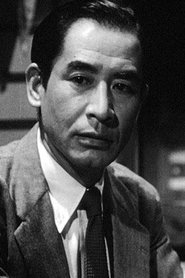
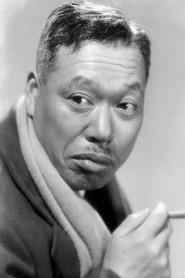
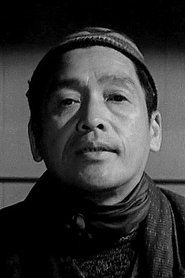
The film features So Yamamura, Hatae Kishi, Takashi Shimura, Kamatari Fujiwara, and Ranko Hanai in key roles.
Is A Second Life (1948) worth watching?
As a post-war drama rooted in raw, human emotion, *A Second Life* offers a reflective viewing experience. Its themes of resilience and renewal make it compelling, especially for fans of classic Japanese cinema and character-driven storytelling.
How long is A Second Life?
The runtime of *A Second Life* is 90 minutes.
About A Second Life (1948) — Post-War Drama with Hideo Sekigawa's Poignant Storytelling
In the post-war landscape of 1948 Japan, *A Second Life* unfolds as a poignant drama that captures the fragile hope and quiet resilience of ordinary people rebuilding their lives. Directed by Hideo Sekigawa, the film immerses viewers in the struggles of characters navigating personal and societal transformations after turmoil. With a stellar cast including So Yamamura, Hatae Kishi, and Takashi Shimura, the story weaves together themes of redemption and the pursuit of meaning amid adversity. The atmospheric storytelling balances melancholy with subtle optimism, making it a reflective yet compelling watch.
Set against a backdrop of rebuilding and renewal, *A Second Life (1948)* explores the emotional weight of second chances through its deeply human characters. The film's focus on personal growth and perseverance resonates even decades later, offering a timeless meditation on the human spirit. Sekigawa's direction lends a raw, intimate quality to the narrative, ensuring that every moment feels authentically grounded in the era's challenges.