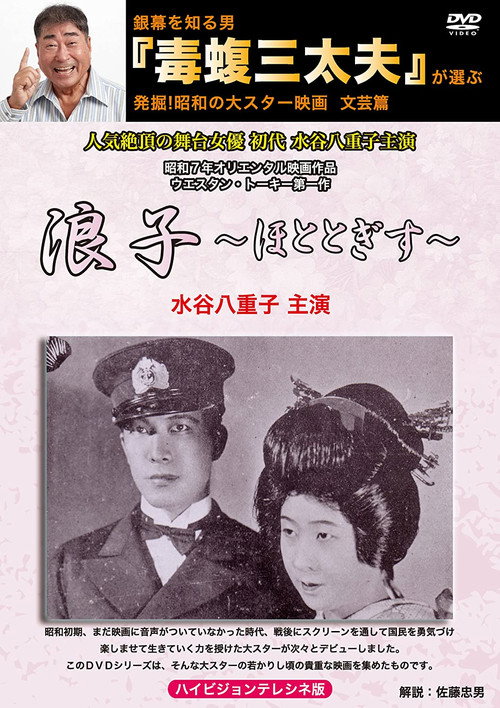
Namiko 1932
Namiko (1932) stands as a fascinating footnote in early cinema history, distinguished as the sole Japanese film ever to employ the Western Electric Sound System—a groundbreaking technical achievement that marked the transition from silent to sound era.
Director: Eizo Tanaka
Cast



Frequently Asked Questions
What is Namiko (1932) about?
Namiko (1932) is a short romantic drama set during Japan's early sound era, following a woman navigating love and heartache as she confronts societal expectations. The film's intimate narrative explores emotional bonds through sharp dialogue and tender character moments. Its concise storytelling reflects both personal drama and cinematic innovation.
Who directed Namiko?
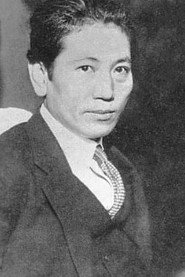
Namiko was co-directed by six filmmakers: Eizo Tanaka, Kazue Kimura, Kazuo Takimura, Ryoji Mikami, Hidekuni Ouchi, and an additional uncredited collaborator.
Who stars in Namiko?
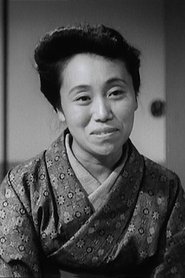
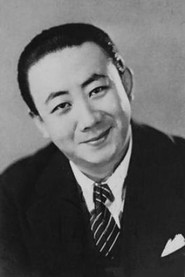
The film features Yaeko Mizutani and Den Obinata in lead roles, supported by Yo Shiomi, Chitose Hayashi, Haruko Sugimura, and Roppa Furukawa in key supporting parts.
Is Namiko (1932) worth watching?
As an early Japanese sound film with rare technical significance, Namiko (1932) is more valuable as a historical artifact than a narrative powerhouse. Its 55-minute runtime and melodramatic tone make it a niche but fascinating watch for silent-to-sound transition enthusiasts and fans of vintage cinema.
How long is Namiko?
Namiko runs for 55 minutes, making it a concise entry in early sound cinema history.
Namiko (1932): Early Japanese Sound Romance — Full Movie Info
Namiko (1932) stands as a fascinating footnote in early cinema history, distinguished as the sole Japanese film ever to employ the Western Electric Sound System—a groundbreaking technical achievement that marked the transition from silent to sound era. Co-directed by Eizo Tanaka alongside five other visionaries, this short drama-romance captures a fleeting yet intimate moment in Japanese filmmaking, blending heartfelt romance with the crisp clarity of synchronized dialogue. The story unfolds with a quiet emotional depth, reflecting themes of longing and connection through its compact runtime.
Directed by a collective that included Tanaka, Kazue Kimura, and Kazuo Takimura, among others, Namiko (1932) offers a unique window into the technical and artistic experiments of its time. The film's sparse but expressive performances, led by Yaeko Mizutani and Den Obinata, convey tenderness and melancholy against a backdrop of early sound recording precision. Though largely overlooked today, its historical significance and delicate storytelling make it a compelling watch for fans of vintage cinema and Japanese cultural history alike.