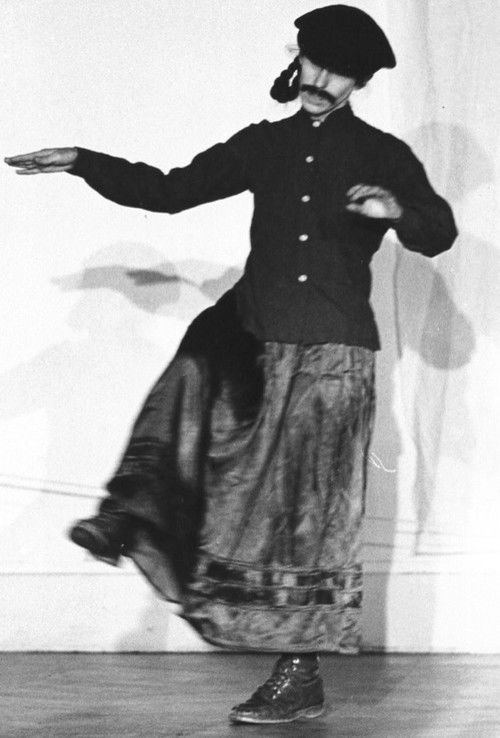
Paris 1982
Immerse yourself in the avant-garde world of Meredith Monk's *Paris (1982)*, a mesmerizing adaptation of her 1973 experimental theater piece that blends music, movement, and visual poetry into a fleeting yet unforgettable cinematic experience.
Director: Meredith Monk
Cast


Frequently Asked Questions
What is Paris (1982) about?
This short film captures the essence of Meredith Monk and Ping Chong's 1973 theater piece, using music and performance to evoke the emotional and cultural resonance of Paris. It's less a narrative and more an atmospheric exploration of themes like displacement and memory.
Who directed Paris?
Paris was co-directed by Meredith Monk and Ping Chong, two influential figures in experimental performance art.
Who stars in Paris?
The film stars Meredith Monk, Ping Chong, Gail Turner, and Robert Aden, each contributing to its unique blend of movement and sound.
Is Paris (1982) worth watching?
For fans of avant-garde cinema or experimental music, *Paris (1982)* is a fascinating glimpse into Monk's groundbreaking work. Its brevity and abstract style may not appeal to everyone, but its bold creativity leaves a lasting impression.
How long is Paris?
Paris has a runtime of 28 minutes, making it a concise yet impactful viewing experience.
About Paris (1982) — Exploring Meredith Monk's experimental musical masterpiece
Immerse yourself in the avant-garde world of Meredith Monk's *Paris (1982)*, a mesmerizing adaptation of her 1973 experimental theater piece that blends music, movement, and visual poetry into a fleeting yet unforgettable cinematic experience. Directed by Monk herself alongside visionary collaborator Ping Chong, this 28-minute film unfolds like a dreamlike collage, where fragmented narratives and rhythmic performances create an atmosphere that feels both timeless and deeply personal. The sparse yet evocative set design, combined with the raw emotional power of the cast—including Monk, Chong, Gail Turner, and Robert Aden—transforms the city of Paris into a metaphorical stage for introspection and artistic expression.
Delving into themes of memory, displacement, and the human condition, *Paris (1982)* defies conventional storytelling, opting instead for a sensory journey that lingers long after the final note fades. Its experimental nature invites viewers to interpret rather than observe, offering a meditative escape into a world where sound and silence coexist in perfect harmony.