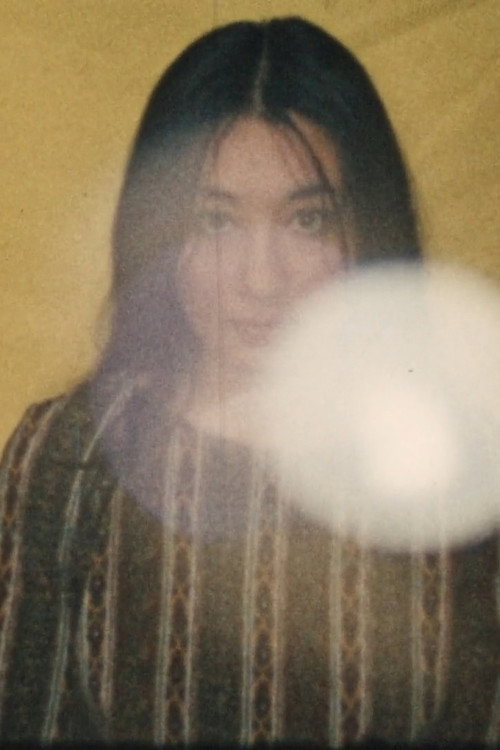
Porträtfilm: Elisabeth Erkner 1969
Dive into the intimate world of *Porträtfilm: Elisabeth Erkner* (1969), a 15-minute cinematic portrait crafted by Ludwig Schönherr.
Director: Ludwig Schönherr
Cast
Frequently Asked Questions
What is *Porträtfilm: Elisabeth Erkner* (1969) about?
This 15-minute short film is a reflective portrait of Elisabeth Erkner, showcasing her presence and the era she represents. It blends personal history with artistic storytelling, offering a quiet but profound tribute.
Who directed *Porträtfilm: Elisabeth Erkner*?
Ludwig Schönherr directed this intimate portrait, bringing a delicate touch to the film's visual and narrative style.
Who stars in *Porträtfilm: Elisabeth Erkner*?
The film centers on Elisabeth Erkner, with her presence and essence forming the core of the narrative.
Is *Porträtfilm: Elisabeth Erkner* (1969) worth watching?
Though brief, this film rewards viewers with its artistic approach and nostalgic tone. Its uniqueness lies in its focus on a singular subject, making it a curiosity for film enthusiasts and historians alike.
How long is *Porträtfilm: Elisabeth Erkner*?
The film runs for 15 minutes, a concise yet impactful cinematic experience.
About Porträtfilm: Elisabeth Erkner (1969) — A Short Film Portrait of Its Time
Dive into the intimate world of *Porträtfilm: Elisabeth Erkner* (1969), a 15-minute cinematic portrait crafted by Ludwig Schönherr. This short film offers a rare glimpse into the life and essence of Elisabeth Erkner, a figure whose influence and persona are explored with subtlety and depth. Through quiet observations and deliberate framing, the documentary-style piece captures the mood of an era, blending personal history with artistic expression. The black-and-white visuals and minimalist approach create an atmosphere of nostalgia, inviting viewers to reflect on the subject's legacy.
While brief, *Porträtfilm: Elisabeth Erkner* stands as a testament to the power of portraiture in film. Schönherr's direction ensures that every frame feels intentional, whether highlighting Erkner's expressions or the environments she inhabited. The film's brevity enhances its impact, leaving audiences curious about the woman behind the lens's gaze. It's a time capsule of personality, offering more than just a biographical sketch—it's a mood, a memory, and a moment frozen in celluloid.