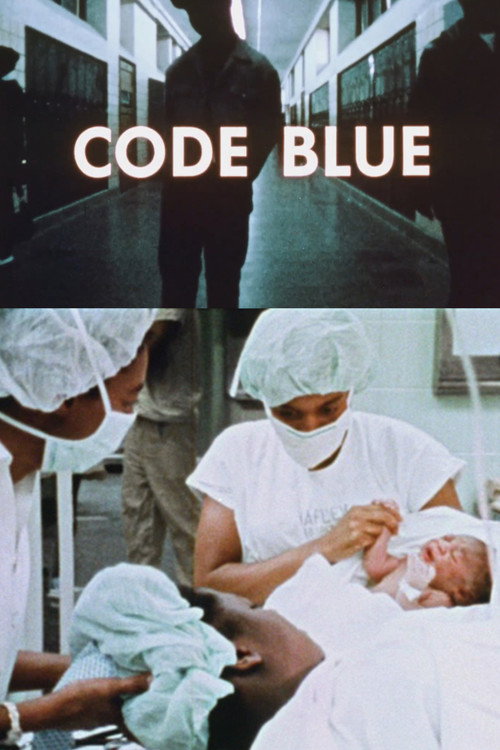
Code Blue 1972
Code Blue (1972) is a groundbreaking documentary that marked one of the earliest productions from Blackside Inc., the visionary film company founded by Henry Hampton.
Director: Romas Slezas
Frequently Asked Questions
What is Code Blue (1972) about?
Code Blue is a documentary short that captures the early vision of Blackside Inc., a trailblazing film company founded by Henry Hampton. The film reflects the spirit of activism and storytelling that would later define the Emmy-winning series Eyes on the Prize.
Who directed Code Blue?
Code Blue (1972) was directed by Romas Slezas, a filmmaker whose work contributed to the diverse and impactful legacy of Blackside Inc.
Who stars in Code Blue?
Cast details for Code Blue (1972) are not publicly listed.
Is Code Blue (1972) worth watching?
As a concise documentary with historical significance, Code Blue (1972) offers valuable insight into the origins of one of the most influential film companies in civil rights storytelling. Its 27-minute runtime makes it a quick but meaningful watch for fans of documentary or social justice films.
How long is Code Blue?
Code Blue has a runtime of 27 minutes.
About Code Blue (1972) — How a Short Documentary Shaped Civil Rights Film History
Code Blue (1972) is a groundbreaking documentary that marked one of the earliest productions from Blackside Inc., the visionary film company founded by Henry Hampton. As a precursor to the landmark civil rights series Eyes on the Prize, this 27-minute short film showcased the innovative storytelling and diverse perspectives that would later define Blackside as the largest African American-owned production company of its era. Directed by Romas Slezas, the documentary captures a pivotal moment in time, blending raw realism with the urgency of social change.
The film stands as a testament to the power of documentary filmmaking in amplifying underrepresented voices, featuring contributions from filmmakers across African American, immigrant, and women's communities. With its compact runtime and historical significance, Code Blue (1972) offers a compelling glimpse into the early work of a company that would go on to redefine public television and civil rights narratives. Its themes of justice, equity, and collective action resonate as strongly today as they did over five decades ago.