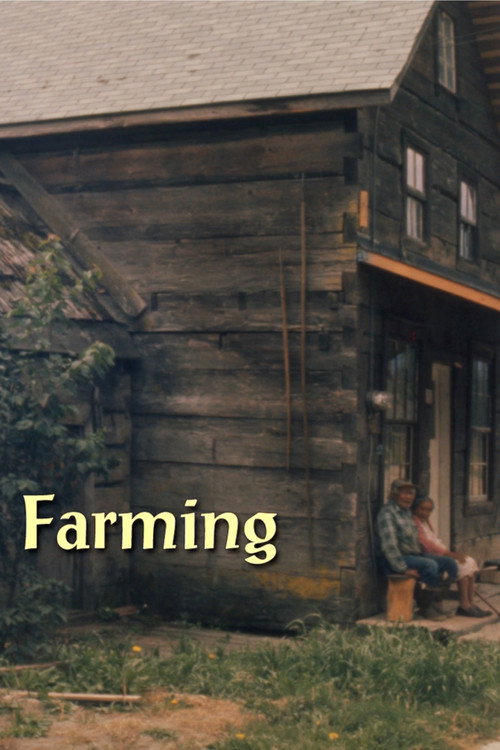
Farming 1975
Directed by acclaimed Indigenous filmmaker Alanis Obomsawin, *Farming (1975)* offers a poetic glimpse into the traditional agricultural practices of the Líl̓wat Nation near Mount Currie in British Columbia.
Director: Alanis Obomsawin
Frequently Asked Questions
What is Farming (1975) about?
*Farming (1975)* explores the traditional agricultural practices of the Líl̓wat Nation, an Interior Salish First Nation in British Columbia. The film presents a series of vivid snapshots that illustrate how their deep-rooted farming methods reflect a harmonious relationship with the land. It's a snapshot of Indigenous resilience and environmental stewardship.
Who directed Farming?
Farming was directed by Alanis Obomsawin, a pioneering Indigenous filmmaker known for her documentary work that amplifies First Nations voices and stories.
Who stars in Farming?
Director information is not available.
Is Farming (1975) worth watching?
While *Farming (1975)* is a short documentary, its cultural and historical significance makes it a compelling watch for those interested in Indigenous perspectives and traditional farming practices. Its poetic approach offers a unique, reflective experience that stands out in documentary filmmaking.
How long is Farming?
Farming runs for 2 minutes.
About Farming (1975) — Indigenous Farming Traditions Unveiled in Classic Short
Directed by acclaimed Indigenous filmmaker Alanis Obomsawin, *Farming (1975)* offers a poetic glimpse into the traditional agricultural practices of the Líl̓wat Nation near Mount Currie in British Columbia. This documentary short captures the intimate relationship between the Líl̓wat people and their land, showcasing how their ancient farming methods reflect a deep spiritual and cultural bond with nature. Through a series of striking snapshots, Obomsawin weaves together visual storytelling that highlights the fertility of the territory and the resilience of Indigenous stewardship.
Part of the *L'il'wata* series, *Farming (1975)* stands as an early testament to Obomsawin's groundbreaking documentary work, blending ethnographic insight with a lyrical, almost meditative approach. The film's quiet yet powerful narrative invites viewers to reflect on the wisdom of sustainable farming and the enduring connection between people and their ancestral homeland.