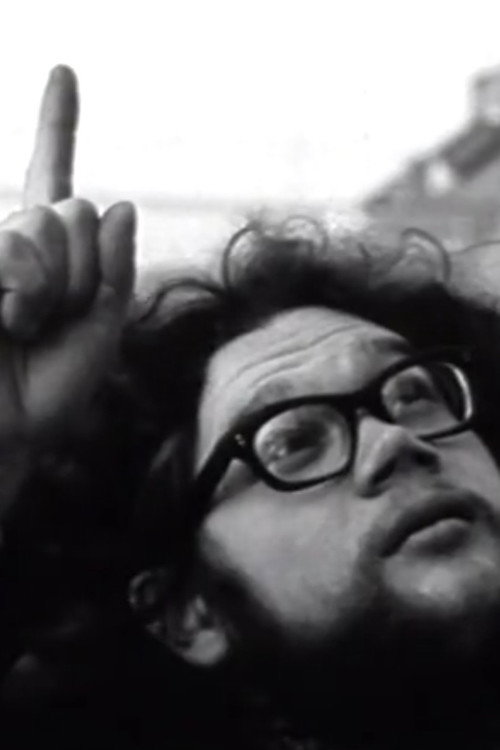
For Those Who Do Not Know, Ask Those Who Do 1975
Artūras Barysas' experimental short film *For Those Who Do Not Know, Ask Those Who Do* (1975) is a mesmerizing seven-minute cinematic sketch that blends urban textures with abstract visuals.
Director: Artūras Barysas
Frequently Asked Questions
What is *For Those Who Do Not Know, Ask Those Who Do* (1975) about?
This avant-garde short film explores the beauty in overlooked urban landscapes through fleeting images of pigeons, op-art patterns, and public spaces. It's less a traditional narrative and more an evocative sensory experience.
Who directed *For Those Who Do Not Know, Ask Those Who Do*?
Artūras Barysas directed this experimental short, known for his bold visual style and contributions to Lithuanian cinema during the 1970s.
Who stars in *For Those Who Do Not Know, Ask Those Who Do*?
Cast details for this short film are not listed, as it appears to be an experimental visual piece rather than a narrative-driven production.
Is *For Those Who Do Not Know, Ask Those Who Do* (1975) worth watching?
While it's a short film with limited runtime, its abstract visuals and atmospheric tone make it compelling for fans of experimental cinema. Since it's unrated and not widely distributed, it's more of a niche interest than a mainstream must-see.
How long is *For Those Who Do Not Know, Ask Those Who Do*?
The film runs for 4 minutes.
For Those Who Do Not Know, Ask Those Who Do: The Abstract Short Film from 1975 — Full Info
Artūras Barysas' experimental short film *For Those Who Do Not Know, Ask Those Who Do* (1975) is a mesmerizing seven-minute cinematic sketch that blends urban textures with abstract visuals.
The film invites viewers into a hypnotic interplay of pigeons in flight, the geometric patterns of op-art, and the raw energy of public spaces like factories or market squares. Barysas crafts an atmospheric meditation on perception, blending found beauty in everyday moments with bold, minimalist design. Its fleeting runtime and avant-garde style encourage repeat viewings, leaving audiences to question what they've just witnessed—and why it lingers so vividly in the mind.