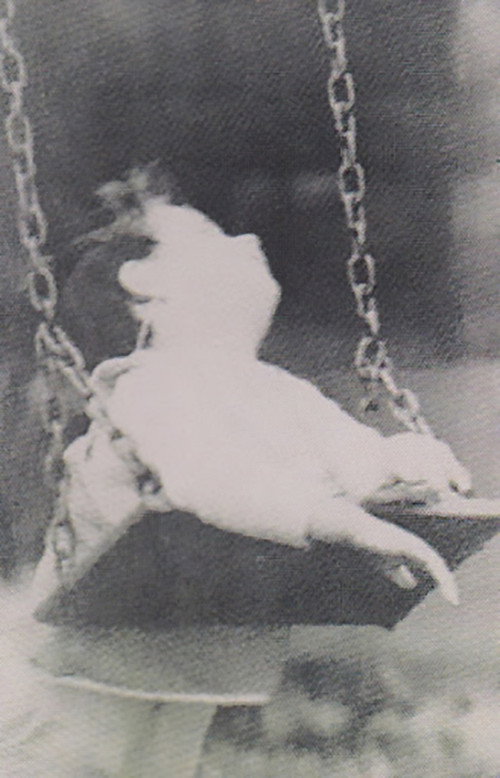
Um Estranho Sorriso 1979
Step into the poignant world of *Um Estranho Sorriso* (1979), a 13-minute Portuguese short film directed by José Armando Pereira da Silva that offers a rare glimpse into the lives of children living with double disabilities—both hearing and visual impairments.
Director: José Armando Pereira da Silva
Frequently Asked Questions
What is Um Estranho Sorriso (1979) about?
This short film explores the daily lives of children with dual sensory disabilities—hearing and vision impairments—and the innovative teaching methods used to engage them. Through structured play and directed instruction, the movie highlights moments of joy, learning, and emotional connection in their journey.
Who directed Um Estranho Sorriso?
The film was directed by José Armando Pereira da Silva, a filmmaker known for his sensitive portrayal of social and educational themes in Portuguese cinema.
Who stars in Um Estranho Sorriso?
The cast consists of a dedicated group of young performers with hearing and visual disabilities, whose real-life experiences form the heart of the film.
Is Um Estranho Sorriso (1979) worth watching?
While it's a niche film, *Um Estranho Sorriso* offers a unique and moving perspective on disability, education, and human connection. Its brevity and emotional depth make it a compelling watch for those interested in socially conscious cinema.
How long is Um Estranho Sorriso?
The film runs for 13 minutes.
About Um Estranho Sorriso (1979) — A touching portrait of resilience through dramatic play and education
Step into the poignant world of *Um Estranho Sorriso* (1979), a 13-minute Portuguese short film directed by José Armando Pereira da Silva that offers a rare glimpse into the lives of children living with double disabilities—both hearing and visual impairments. Through tender moments of leisure and structured learning, the film captures the delicate balance between play and education as teachers guide these young individuals toward self-expression and growth. Framed by dramatic games, the story unfolds with sensitivity, portraying the resilience and unique perspectives of its young protagonists while highlighting the compassionate methods used to nurture their development. Atmospheric yet understated, Pereira da Silva's work serves as both a social document and an artistic meditation on inclusion.
Though compact in runtime, *Um Estranho Sorriso* (1979) resonates deeply, blending documentary-like observation with imaginative storytelling. The film's focus on communication without words—through touch, sound, and movement—reveals the universal language of childhood curiosity and the transformative power of dedicated educators. For audiences seeking thought-provoking cinema that challenges perceptions, this short film offers an experience that lingers long after the credits roll.