Prach a broky 1926
Step back to the roaring twenties with *Prach a broky (1926)*, a Czech silent-screen comedy that captures the energetic chaos of early filmmaking.
Director: Přemysl Pražský
Cast
Frequently Asked Questions
What is Prach a broky (1926) about?
Though no detailed plot survives, *Prach a broky* appears to be a lighthearted silent comedy set in interwar Czechoslovakia, where everyday mishaps and physical humor take center stage. The film's title suggests a story woven from the fabric of ordinary life, filled with playful chaos and situational gags.
Who directed Prach a broky?
Přemysl Pražský directed *Prach a broky* in 1926, bringing his expertise in early Czech cinema to this forgotten comedy.
Who stars in Prach a broky?
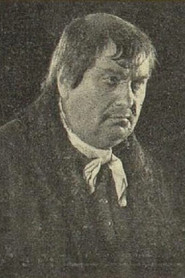
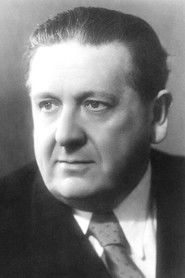
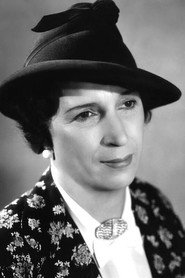
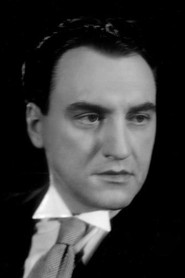
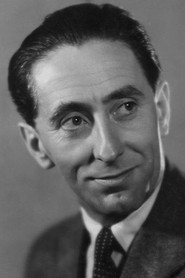
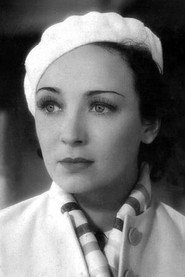
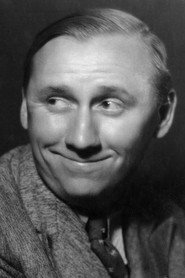
The film features a standout cast including Karel Fiala, Theodor Pištěk, Xena Longenová, Václav Srb, and Milka Balek-Brodská, each bringing their signature charm to the silent-screen adventure.
Is Prach a broky (1926) worth watching?
*Prach a broky* isn't just a historical curiosity—it's a celebration of silent-era ingenuity. While the lack of a surviving plot may deter some, its comedy style, nostalgic atmosphere, and the pedigree of its cast make it a fascinating watch for classic film buffs and curious newcomers alike.
How long is Prach a broky?
Runtime details are not listed.
About Prach a broky (1926) — Silent Comedy That Dusts Off Early Cinema's Magic
Step back to the roaring twenties with *Prach a broky (1926)*, a Czech silent-screen comedy that captures the energetic chaos of early filmmaking. Directed by Přemysl Pražský, this forgotten gem whirls audiences into a world where dust clouds become gags, brooms turn into props, and everyday life unfolds like a playful farce. The film's lighthearted tone and slapstick charm transport viewers to a time when cinema was still finding its voice, blending humor with a touch of nostalgia. With its breezy pacing and spirited cast, *Prach a broky* offers a snapshot of interwar Czechoslovakia's cultural spirit, wrapped in the innocence and inventiveness of the silent era.
While the plot remains a mystery due to the lack of a surviving synopsis, the film's title—literally "dust and rags"—hints at a story steeped in the grit and glitter of ordinary existence. Pražský's direction leans into physical comedy and visual wit, relying on the expressive talents of his ensemble to carry the narrative. The cast, led by Karel Fiala and Theodor Pištěk, embodies the era's theatrical flair, turning even mundane moments into comedic gold. *Prach a broky* may be a relic of its time, but its playful energy continues to resonate with fans of classic cinema and silent-film enthusiasts.