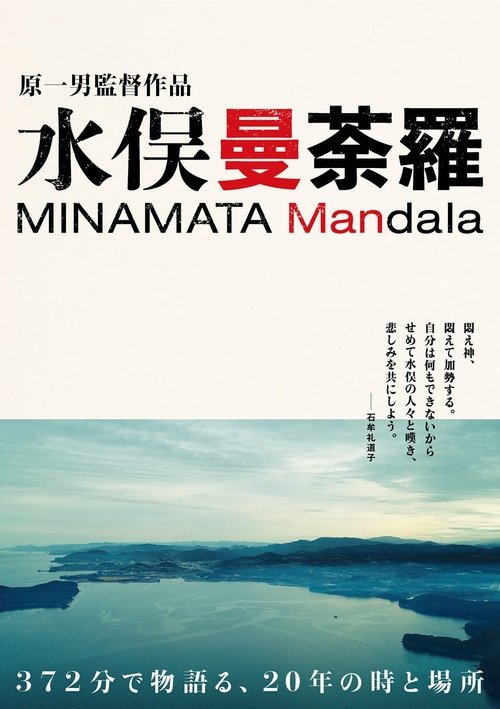
Minamata Mandala 2021
Dive into the harrowing six-hour documentary *Minamata Mandala (2021)* by acclaimed director Kazuo Hara, where the camera confronts the haunting legacy of environmental injustice.
Director: Kazuo Hara
Frequently Asked Questions
What is Minamata Mandala (2021) about?
*Minamata Mandala* examines the environmental disaster that struck Minamata Bay when Chisso Corporation's mercury waste contaminated the local water supply. The film follows the victims of mercury poisoning as they battle for official recognition, revealing the systemic denial that delayed justice for decades.
Who directed Minamata Mandala?
The film was directed by Kazuo Hara, a renowned Japanese documentary filmmaker known for his uncompromising and socially conscious works.
Who stars in Minamata Mandala?
Director Kazuo Hara leads the cast, with survivor testimonies and archival footage bringing the story to life, though individual cast names are not prominently listed.
Is Minamata Mandala (2021) worth watching?
As a documentary, *Minamata Mandala* offers a raw and essential perspective on environmental injustice, though its six-hour runtime may challenge casual viewers. Its power lies in its unflinching portrayal of truth and resilience, making it a must-watch for those interested in social and environmental issues.
How long is Minamata Mandala?
*Minamata Mandala* runs for 373 minutes, or just over six hours.
🎥 Trailer
About Minamata Mandala (2021) — A Gripping Documentary on Environmental Injustice
Dive into the harrowing six-hour documentary *Minamata Mandala (2021)* by acclaimed director Kazuo Hara, where the camera confronts the haunting legacy of environmental injustice. This unflinching film traces the catastrophic mercury poisoning that devastated the Japanese fishing village of Minamata after Chisso Chemical Corporation's toxic dumping. Through archival footage, survivor testimonies, and stark visuals, the documentary exposes the systemic failures that left victims unrecognized and their suffering dismissed under flawed certification criteria.
The atmosphere is one of quiet outrage, blending historical record with intimate human stories to underscore the fight for recognition and justice. As the film unfolds, it becomes a meditation on the cost of industrial progress at the expense of health and human dignity, leaving viewers with a lingering sense of both sorrow and resolve.