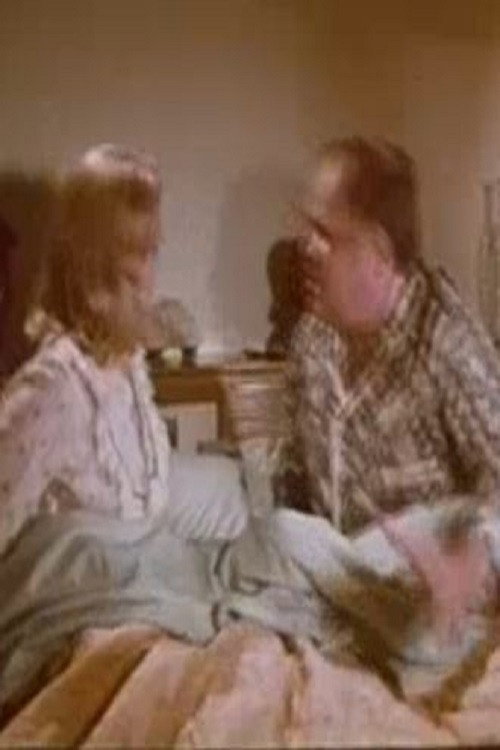
Seagrams Nightmare 1972
Dive into the shadowy corners of 1970s advertising with *Seagrams Nightmare (1972)*, a bizarre and forgotten gem that blends oddball comedy with a cringe-inducing sales pitch for Seven Crown whiskey.
Frequently Asked Questions
What is Seagrams Nightmare (1972) about?
This oddball short film masquerades as a comedy skit but is really a sales pitch for Seven Crown whiskey, aimed squarely at bar owners. With a distinctly awkward tone, it blends over-the-top performances with a bizarre narrative designed to sell liquor through sheer (and likely questionable) charm.
Who directed Seagrams Nightmare?
Director information is not available.
Who stars in Seagrams Nightmare?
The main cast includes an ensemble of unknown actors whose performances are as puzzling as the film itself.
Is Seagrams Nightmare (1972) worth watching?
As a curiosity piece, *Seagrams Nightmare* has undeniable charm, offering a peek into 1970s advertising absurdity and the weird side of media history. However, it's not a masterpiece—just a 52-minute oddity that's more fun to dissect than rewatch.
How long is Seagrams Nightmare?
The runtime is 52 minutes.
About Seagrams Nightmare (1972) — The Bizarre 1970s Whiskey Ad You Didn't Know Existed
Dive into the shadowy corners of 1970s advertising with *Seagrams Nightmare (1972)*, a bizarre and forgotten gem that blends oddball comedy with a cringe-inducing sales pitch for Seven Crown whiskey. This 52-minute curiosity masquerades as a promotional skit but feels like a surreal time capsule of corporate desperation, complete with over-the-top performances and a tone that wavers between deadpan and manic. The film drips with a darkly humorous atmosphere, playing up the absurdity of liquor marketing while subtly poking fun at the naivety of its target audience—bar owners desperate for any edge in a cutthroat industry.
*Seagrams Nightmare* isn't just a footnote in advertising history; it's a quirky artifact of its era, where the line between comedy and corporate propaganda blurs into something unintentionally hilarious. With its short runtime and campy charm, the film feels like a lost sketch from a forgotten variety show, where the stakes are low, the jokes are shaky, and the sales pitch lingers long after the credits roll. Whether you're a film buff chasing obscure titles or a curious cinephile drawn to the weird side of pop culture, this oddity offers a peek into the stranger corners of media history.