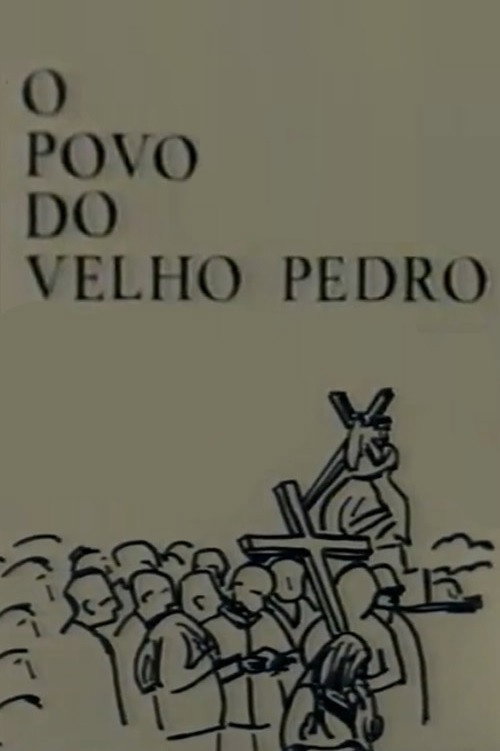
O Povo do Velho Pedro 1965
Dive into the raw, unfiltered world of early Brazilian cinema with *O Povo do Velho Pedro (1965)*, a documentary that offers a glimpse into the social and cultural landscape of its time.
Director: Sérgio Muniz
Cast
Frequently Asked Questions
What is O Povo do Velho Pedro (1965) about?
*O Povo do Velho Pedro* offers a candid look at a community rooted in tradition, showcasing the daily lives and challenges of its people. The documentary focuses on the bonds that tie a village together, framed through the perspective of its elders and everyday heroes.
Who directed O Povo do Velho Pedro?
The film was directed by Sérgio Muniz, a filmmaker known for his work in documentary cinema during Brazil's mid-20th century.
Who stars in O Povo do Velho Pedro?
This documentary features Sérgio Muniz as the director and primary lens through which the story unfolds.
Is O Povo do Velho Pedro (1965) worth watching?
As an unrated but historically significant documentary, *O Povo do Velho Pedro* is a hidden gem for those interested in Brazilian cinema or early observational filmmaking. Its authenticity and focus on community make it a rewarding watch for niche audiences.
How long is O Povo do Velho Pedro?
Runtime details are not listed.
About O Povo do Velho Pedro (1965) — Brazil's 1960s documentary capturing everyday life and cultural identity
Dive into the raw, unfiltered world of early Brazilian cinema with *O Povo do Velho Pedro (1965)*, a documentary that offers a glimpse into the social and cultural landscape of its time. Directed by Sérgio Muniz, this film stands out as a rare portrait of everyday life, capturing the essence of a community bound by tradition and resilience. With a focus on authenticity, the documentary immerses viewers in the rhythms of a bygone era, blending observational footage with a sense of quiet urgency.
Through Muniz's lens, *O Povo do Velho Pedro* transcends mere historical documentation, becoming a time capsule of human connection and cultural identity. The film's atmosphere is one of quiet intensity, where the struggles and joys of ordinary people take center stage. Though modest in scale, its impact lingers, making it a compelling watch for fans of documentary cinema and those curious about Brazil's mid-20th-century social fabric.